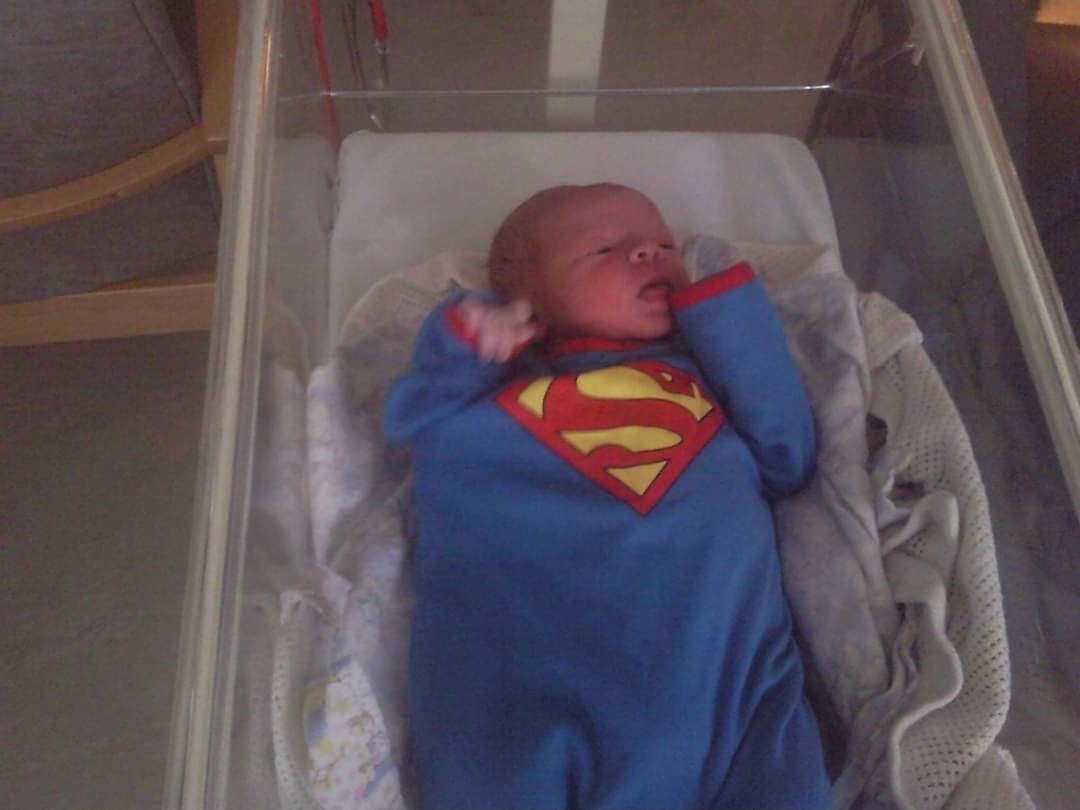
Matthew from UK
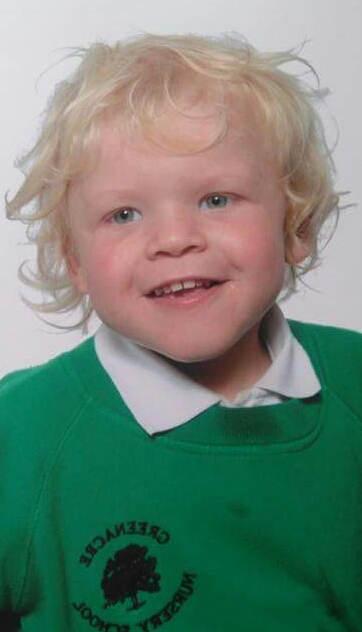
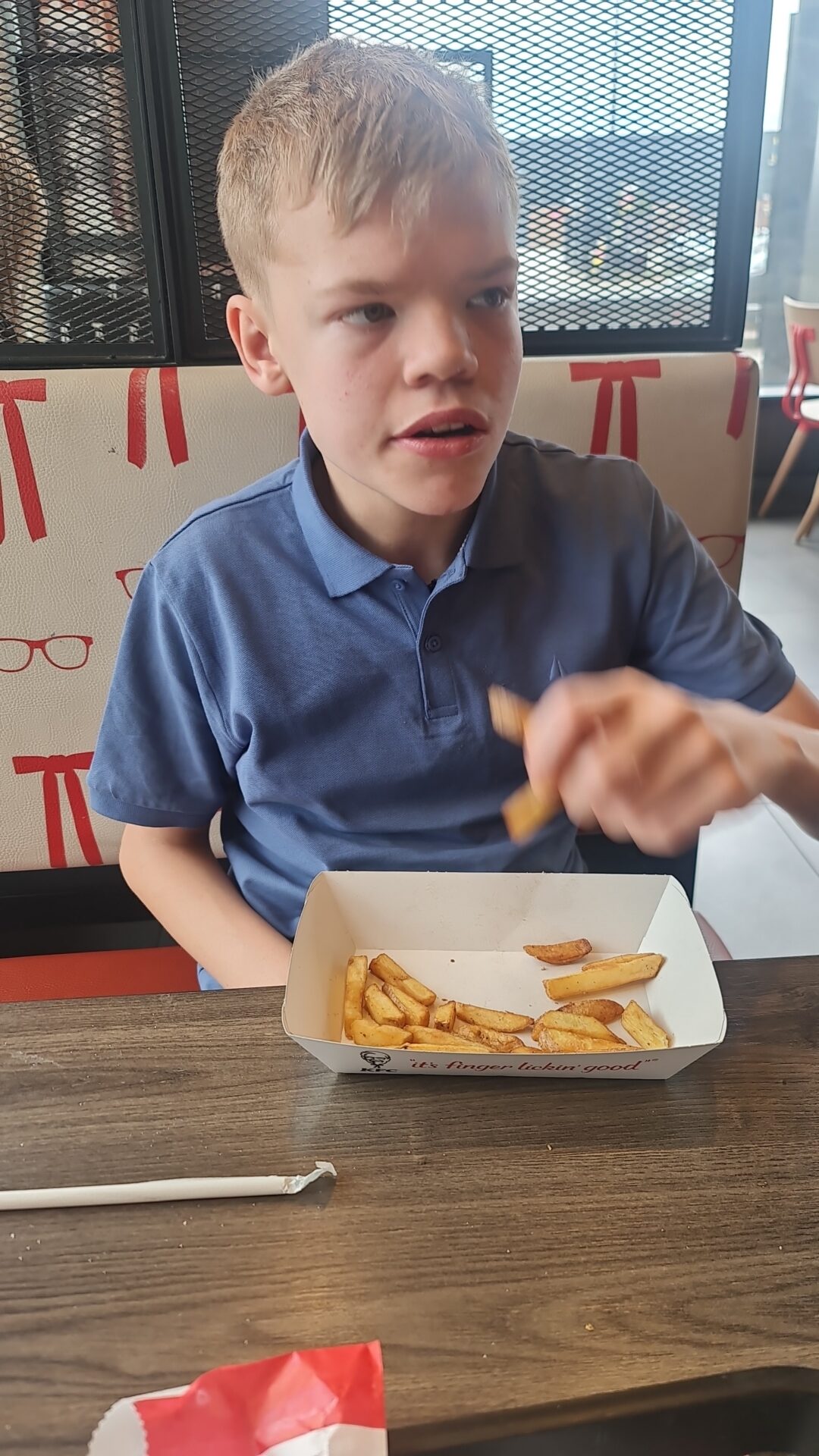
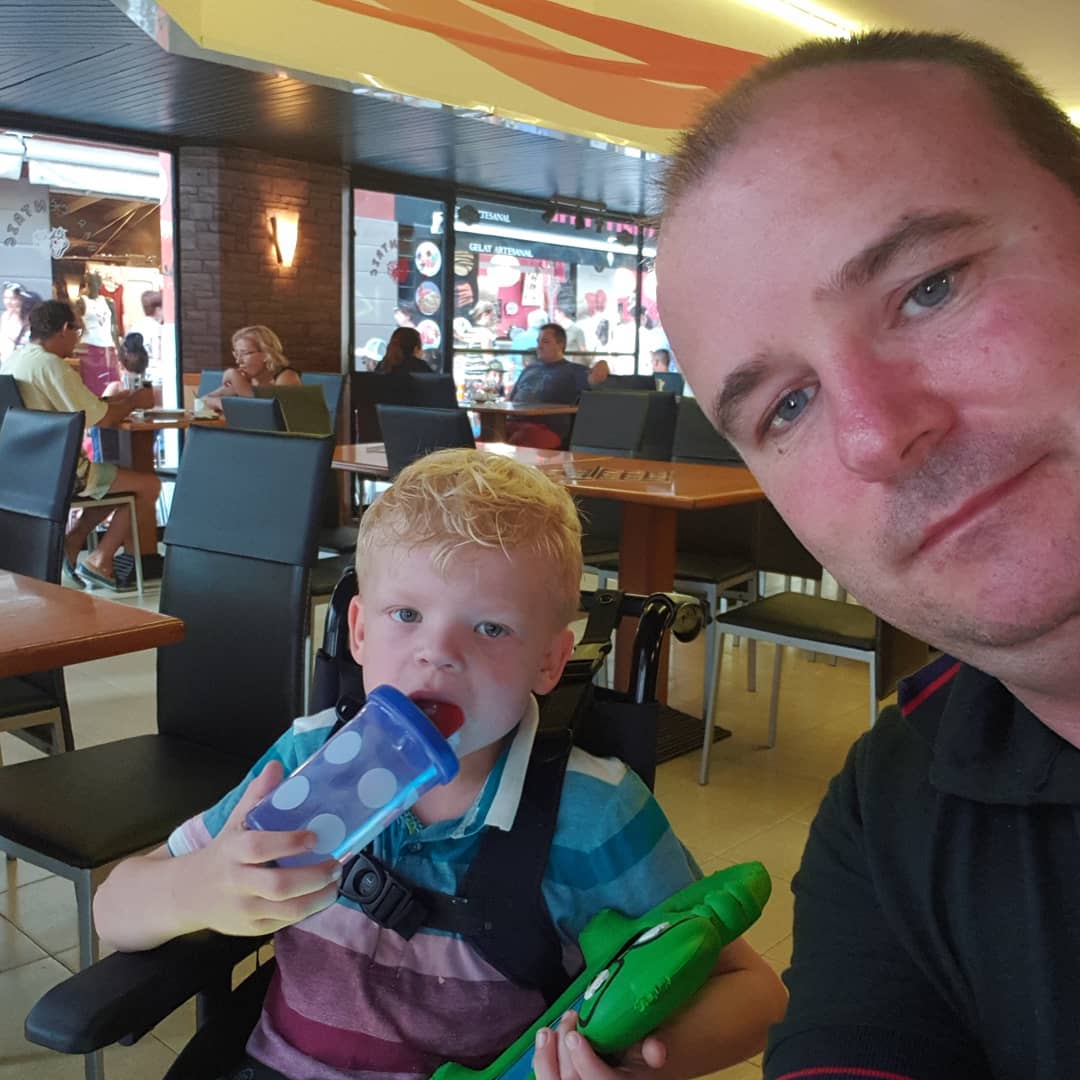
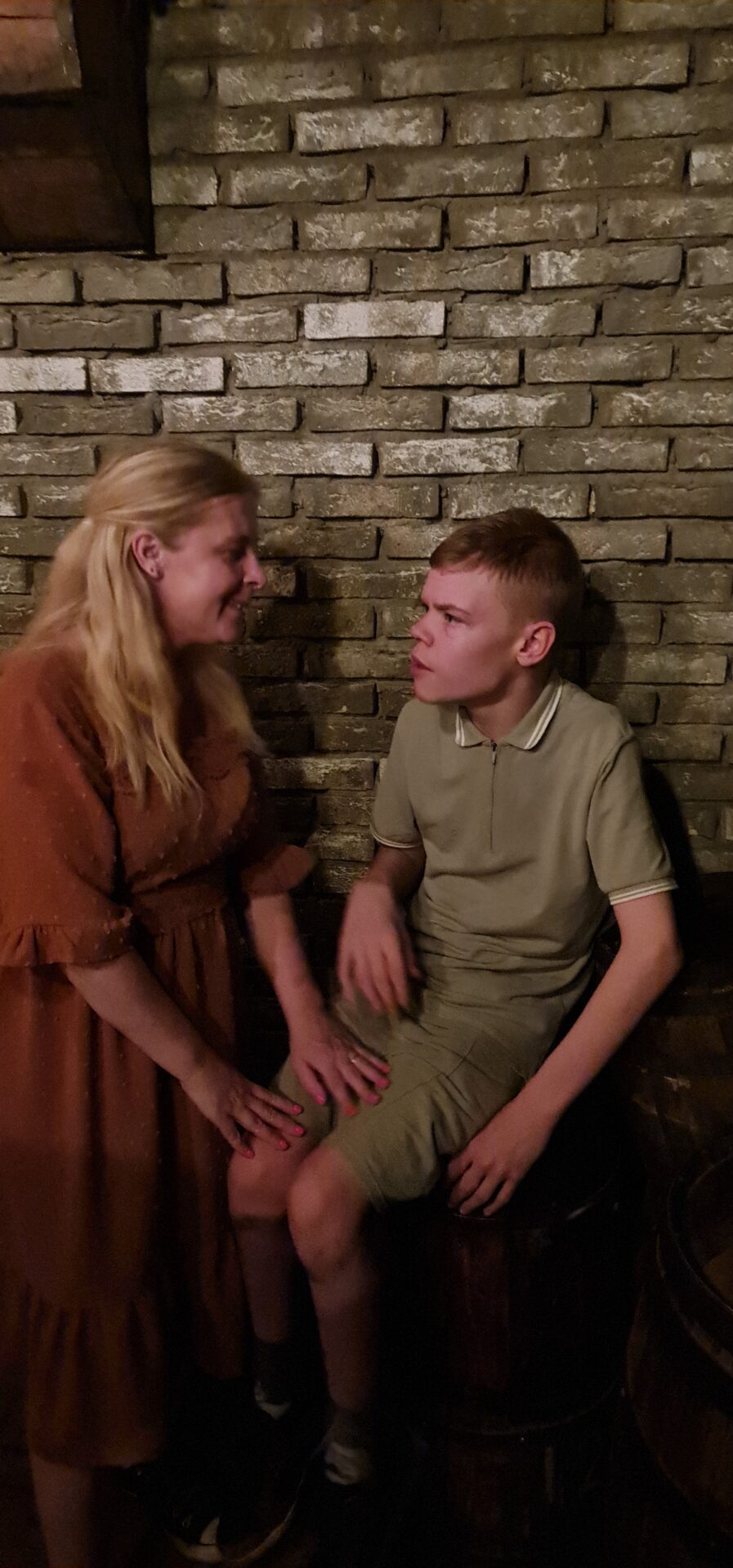
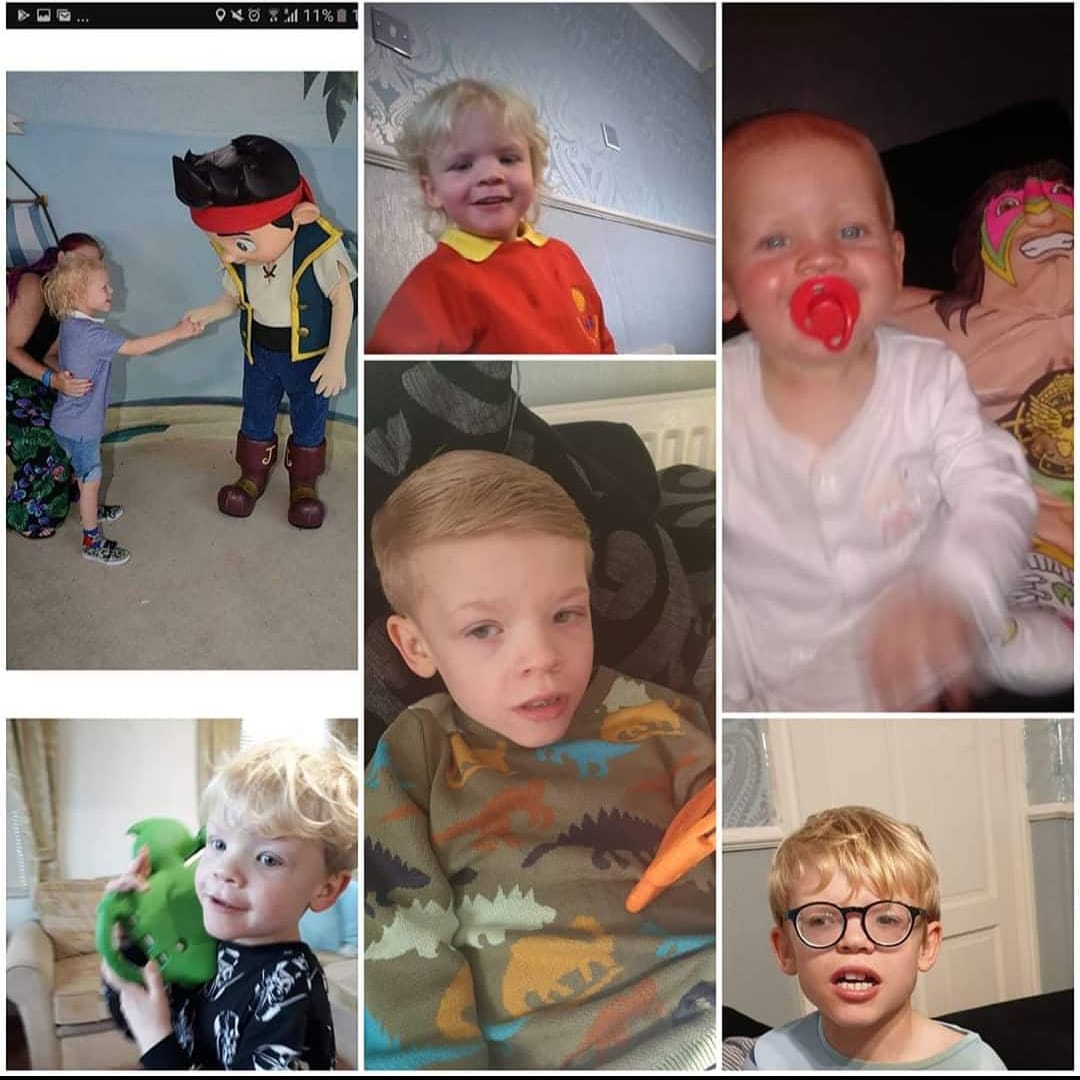
Matthew was born in February 2012.
Like any parents, my wife and I were excited about the future. We looked forward to watching our little boy grow, learn and experience the world around him. But as the months passed, we began to realize that Matthew wasn't reaching the developmental milestones that other children his age were achieving.
We were initially told that he had a global developmental delay. As time went on, we were also told that he showed autistic traits. We accepted those explanations, but deep down we felt there was something more. Over the next few years,
Matthew underwent numerous investigations. He had brain scans, blood tests, urine tests and countless hospital appointments. Time after time we were told that the results were normal, yet we still didn't have an explanation for why our little boy was struggling so much.
What we didn't know at the time was that Matthew had been born before homocystinuria was included in England's newborn heel prick screening program. Matthew was born in February 2012, and screening for homocystinuria (HCU) was not introduced until January 2015. This meant that he was never screened for HCU at birth through the national newborn blood spot program.
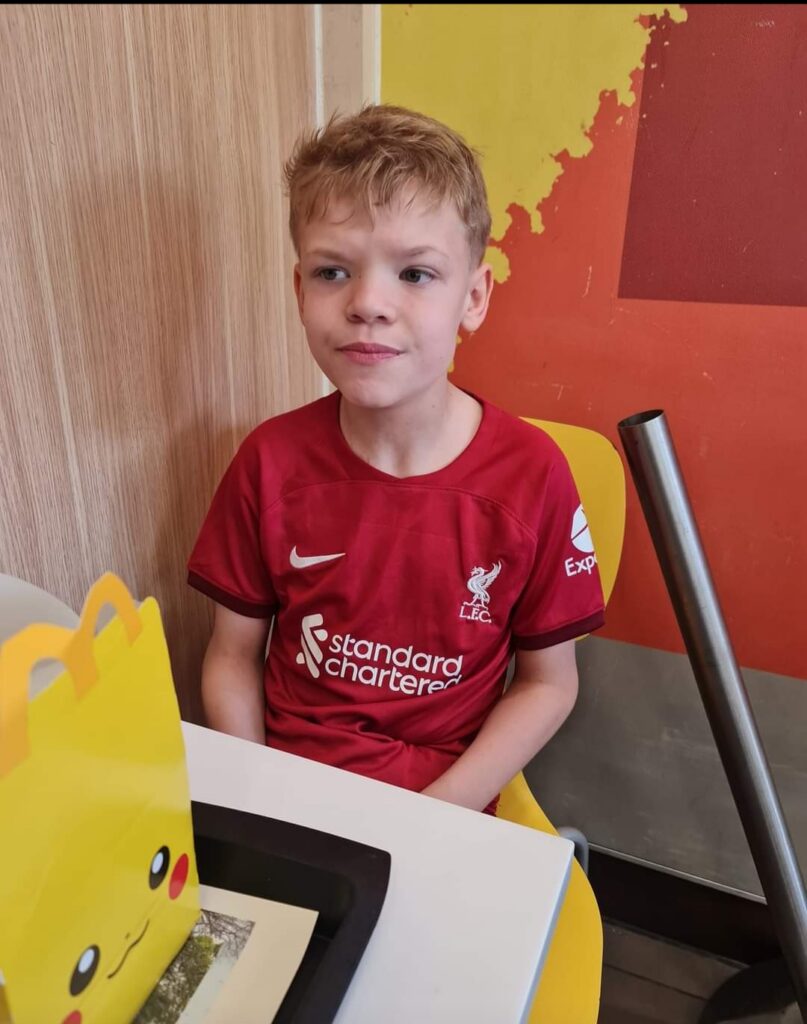
When Matthew was seven years old, everything changed. He was finally tested for a rare inherited metabolic disorder called homocystinuria, or HCU. The result came back positive. By the time Matthew received his diagnosis, the condition had already had a significant impact on his development. He had become severely learning disabled and struggled with excessive drooling, despite many attempts to manage the symptom. Looking back, it was heartbreaking to realize that the underlying cause had remained undetected for so many years.
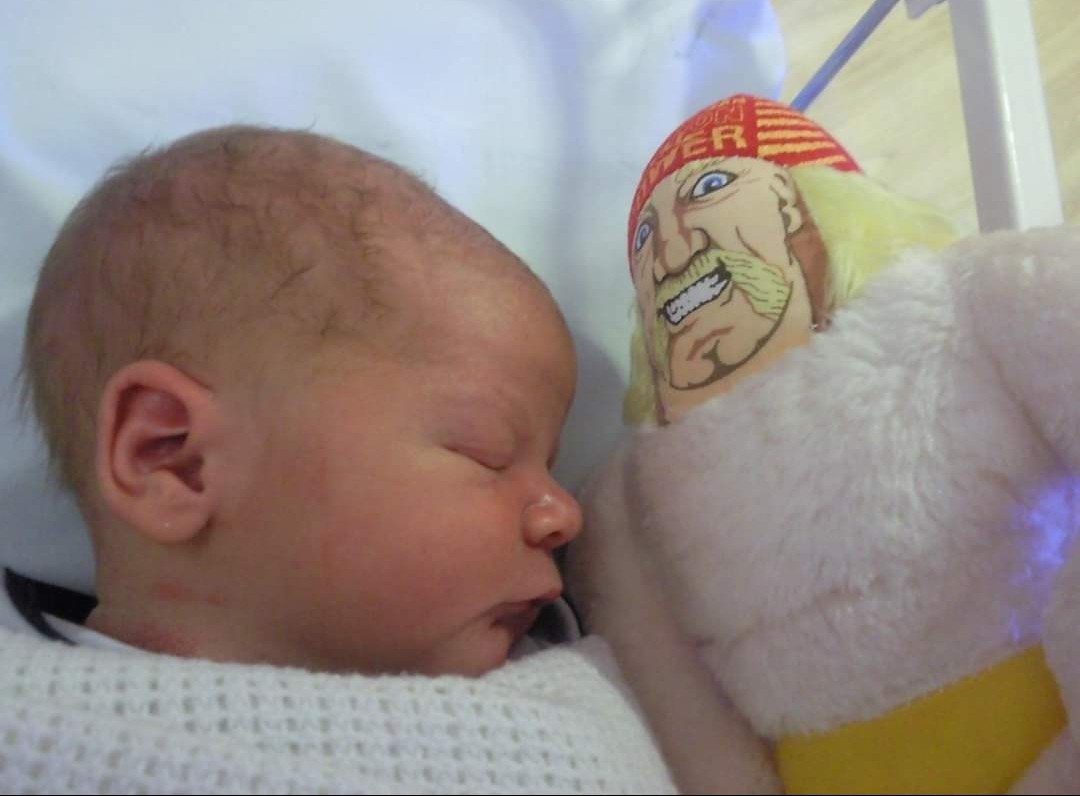
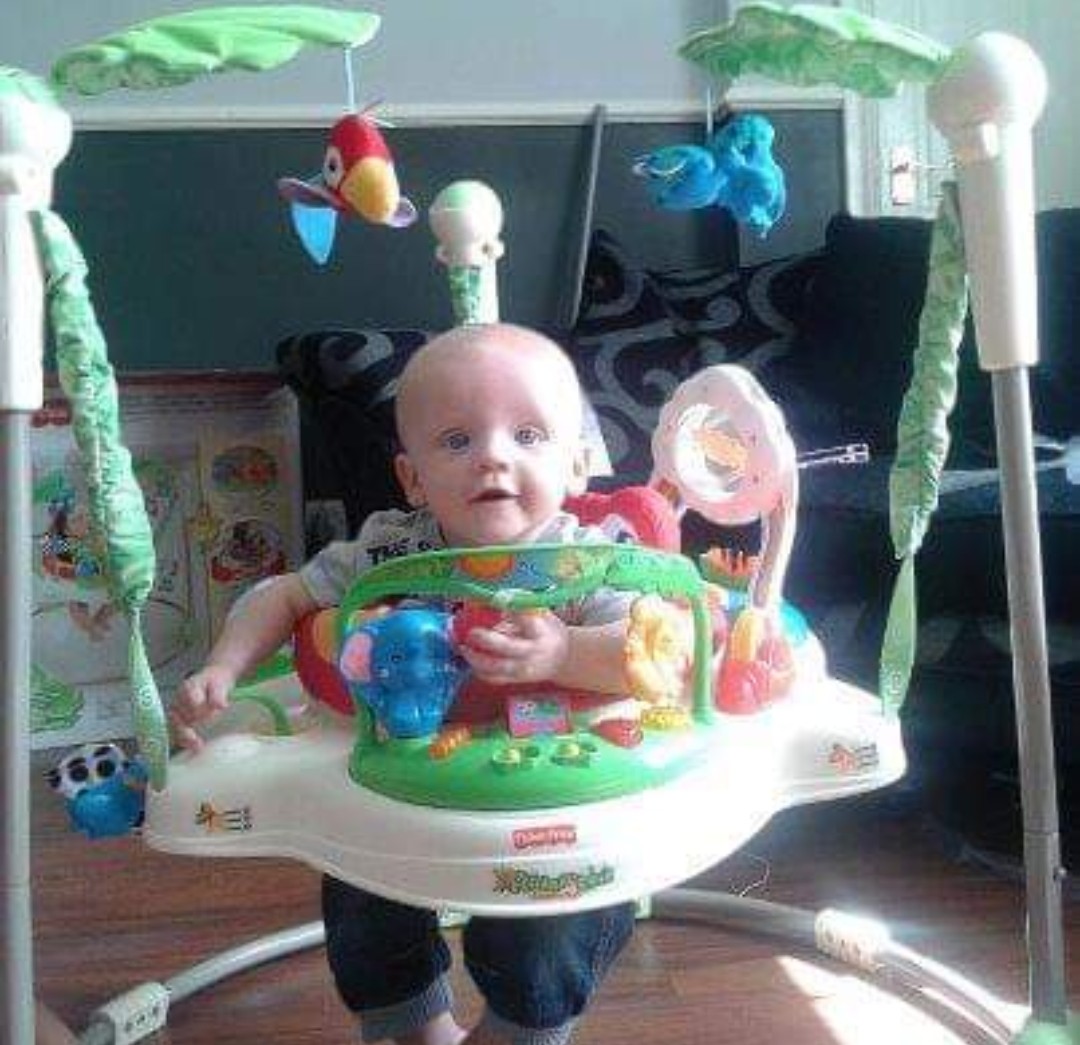
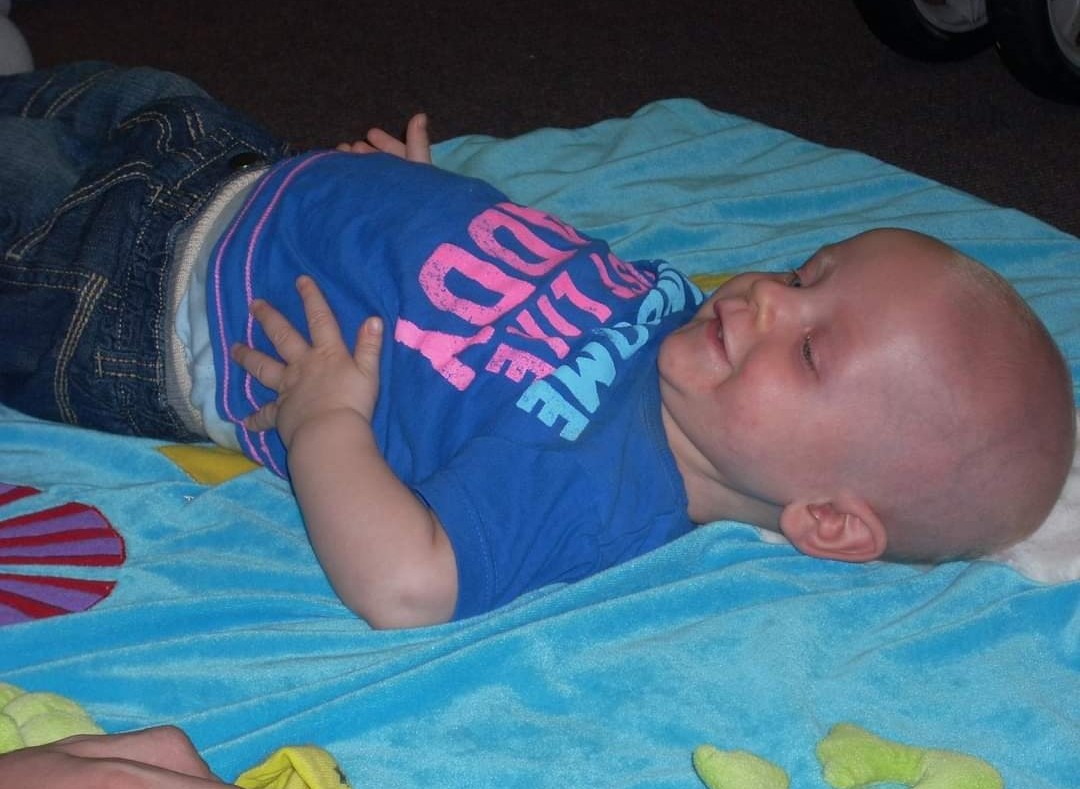

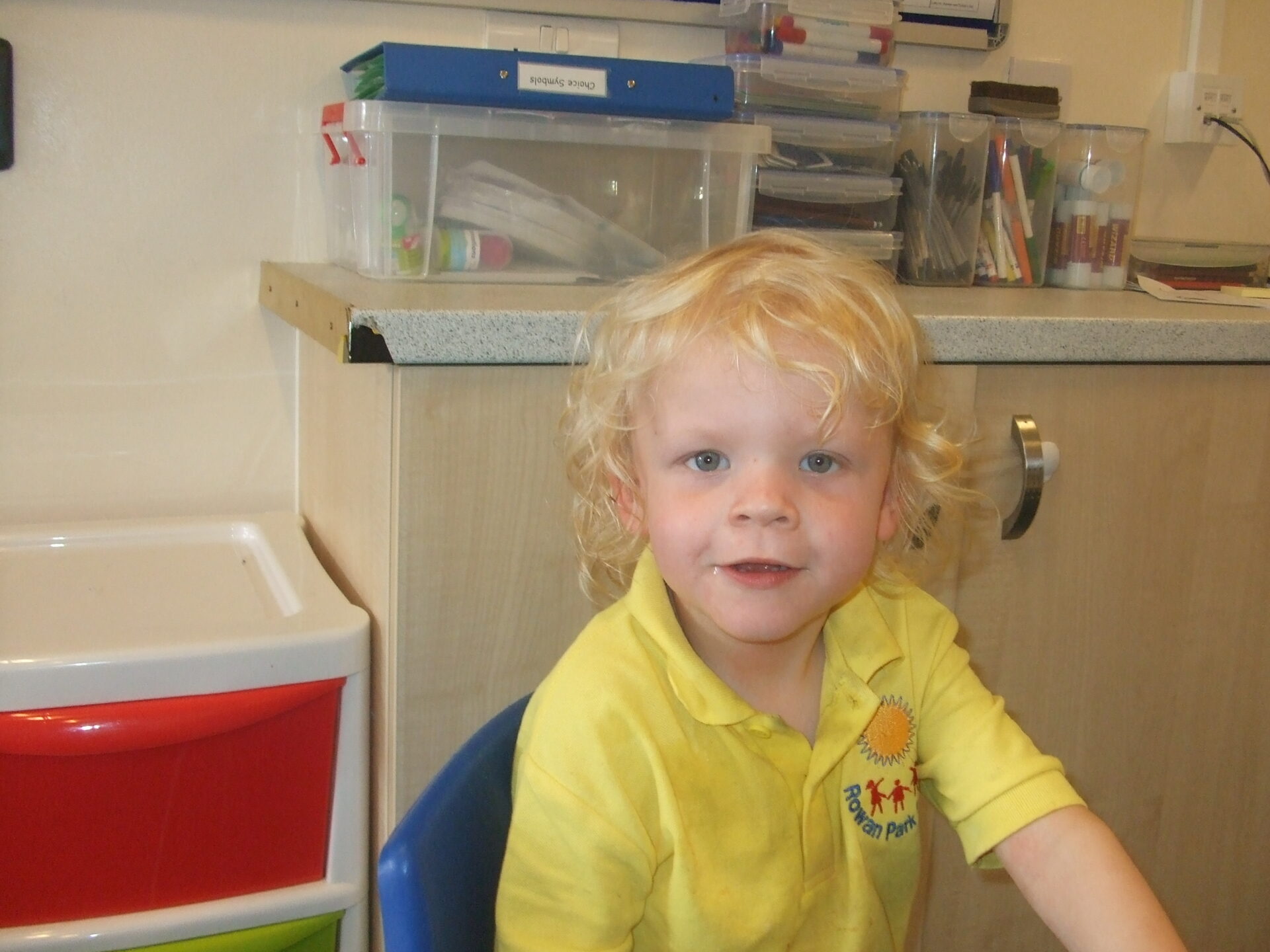
Following his diagnosis, Matthew was started on pyridoxine, also known as vitamin B6. Thankfully, he responded well to the treatment, meaning he has pyridoxine-responsive HCU. He also began a specialist low-protein diet and metabolic treatment, which continues to play an important role in managing his condition today.
Around this time, doctors had also considered testing Matthew for another rare genetic condition, neurofibromatosis type 1 (NF1). However, because he had already been diagnosed with homocystinuria, and because the coexistence of both conditions is exceptionally rare, further testing did not initially go ahead.
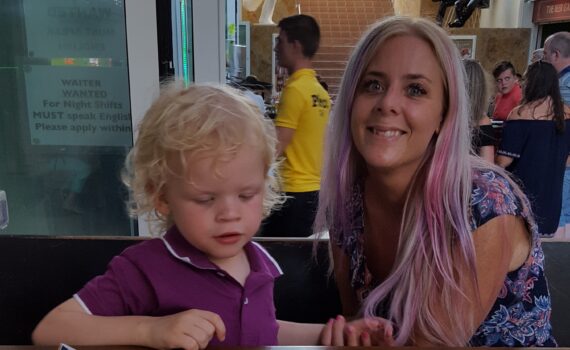
Two years later, when Matthew was nine years old, genetic testing was finally carried out. The results confirmed that he also had neurofibromatosis type 1. Wanting to better understand everything Matthew had been through, I requested copies of all his medical records. As I read through them, I found several inconsistencies and findings that raised important questions.
One of Matthew's earlier brain MRI reports described changes that included findings consistent with a previous infarction. I also found documentation showing that some of his blood and urine samples had deteriorated during transport because they had not been handled under the recommended conditions. In some cases, samples took more than seven days to reach the laboratory before testing. From what I could see within the records, some of those samples were not repeated after they had deteriorated. As parents, reading those records was incredibly difficult.
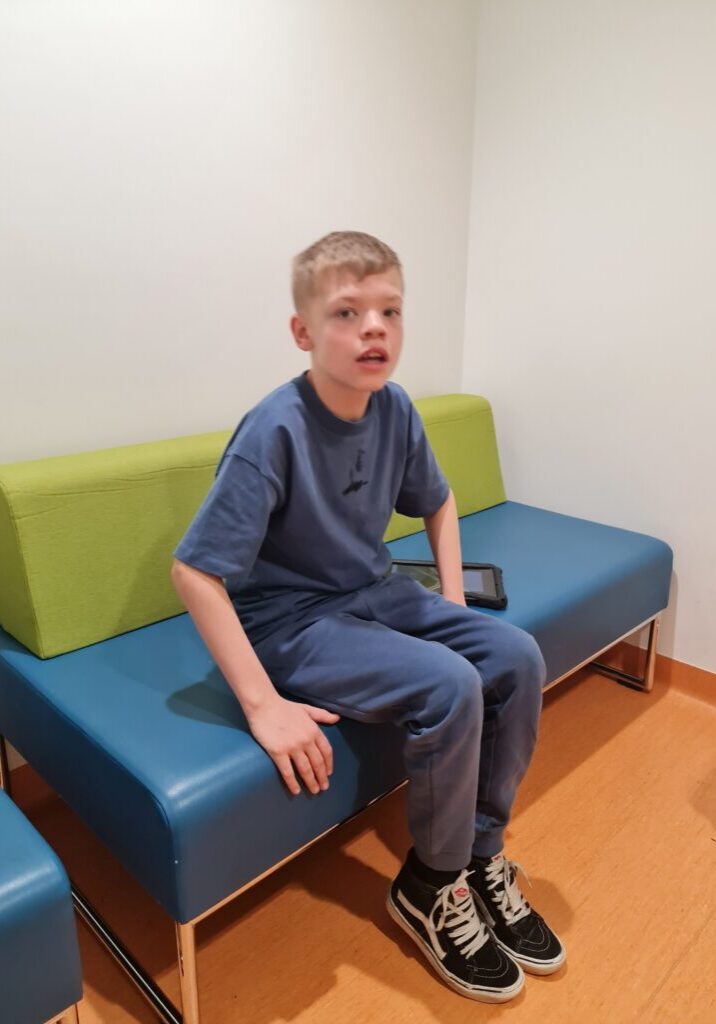
We will never know exactly what difference an earlier diagnosis might have made to Matthew's life, and it would be wrong to speculate. However, we do know that early diagnosis and treatment of homocystinuria can significantly improve outcomes for many children. Like any parent, you cannot help but wonder what might have been different if those answers had come sooner.
Matthew's story is not about blame. It is about awareness. It is about recognizing that rare diseases do exist, that parents know their children better than anyone, and that sometimes the rarest diagnoses need to be considered. It is about the importance of early diagnosis, appropriate testing, and ensuring that no family spends years searching for answers if those answers can be found sooner.
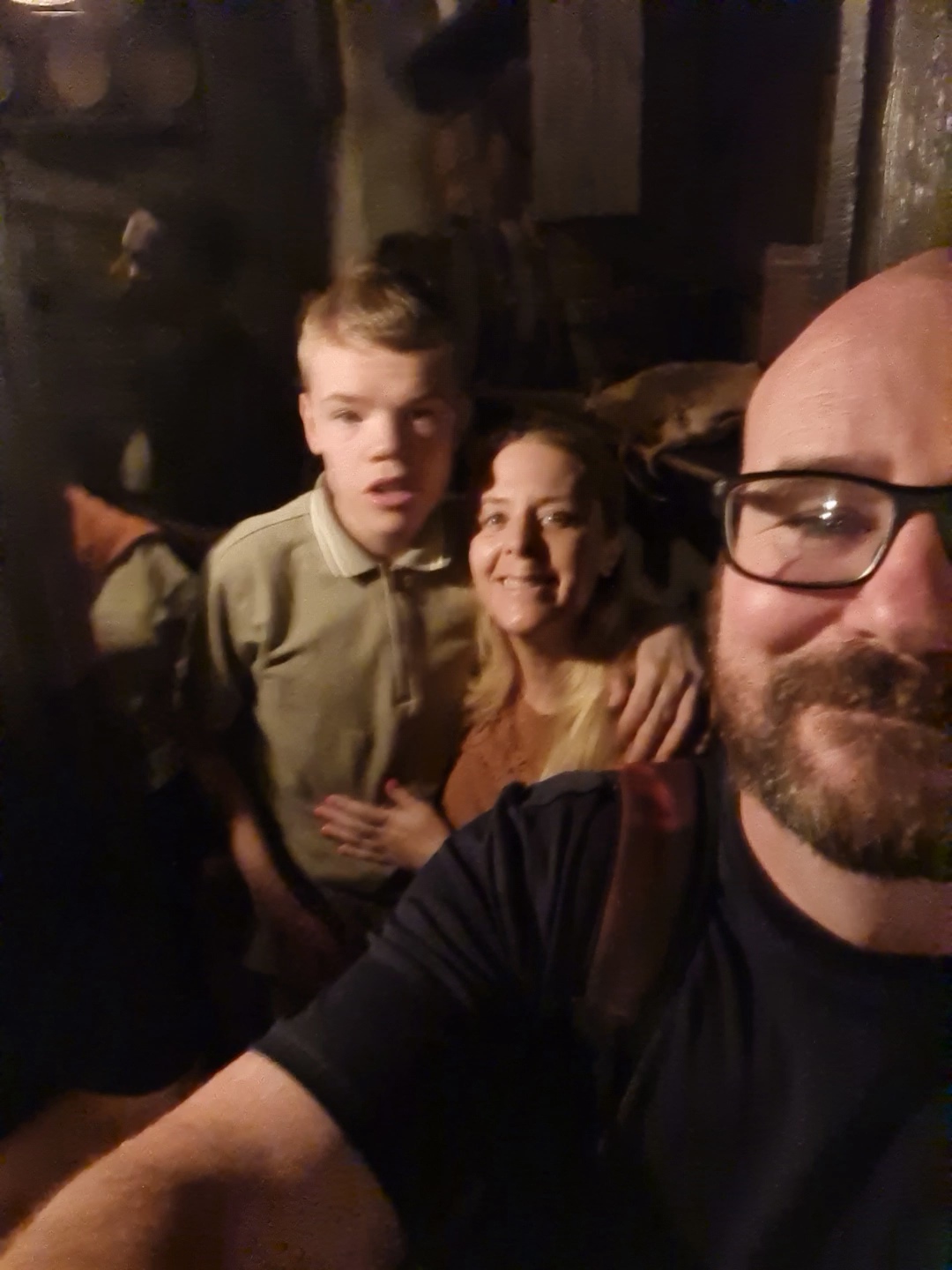
Although Matthew's journey has been incredibly challenging, it has also given our family a purpose. His diagnosis inspired both me and my wife to become advocates for children and families living with rare diseases, particularly homocystinuria, neurofibromatosis type 1 and autism. We created Special Needs Parents UK, with Facebook and Instagram communities dedicated to raising awareness, sharing information and supporting families who may be facing similar challenges. I am also active on TikTok and YouTube, where I regularly create videos about Matthew's journey, life as a special needs parent, rare disease awareness, and the everyday realities of caring for a child with complex needs. Our hope is simple: that by sharing our experiences, we can help another family feel less alone, encourage earlier diagnosis, and raise awareness of conditions that so many people have never heard of.
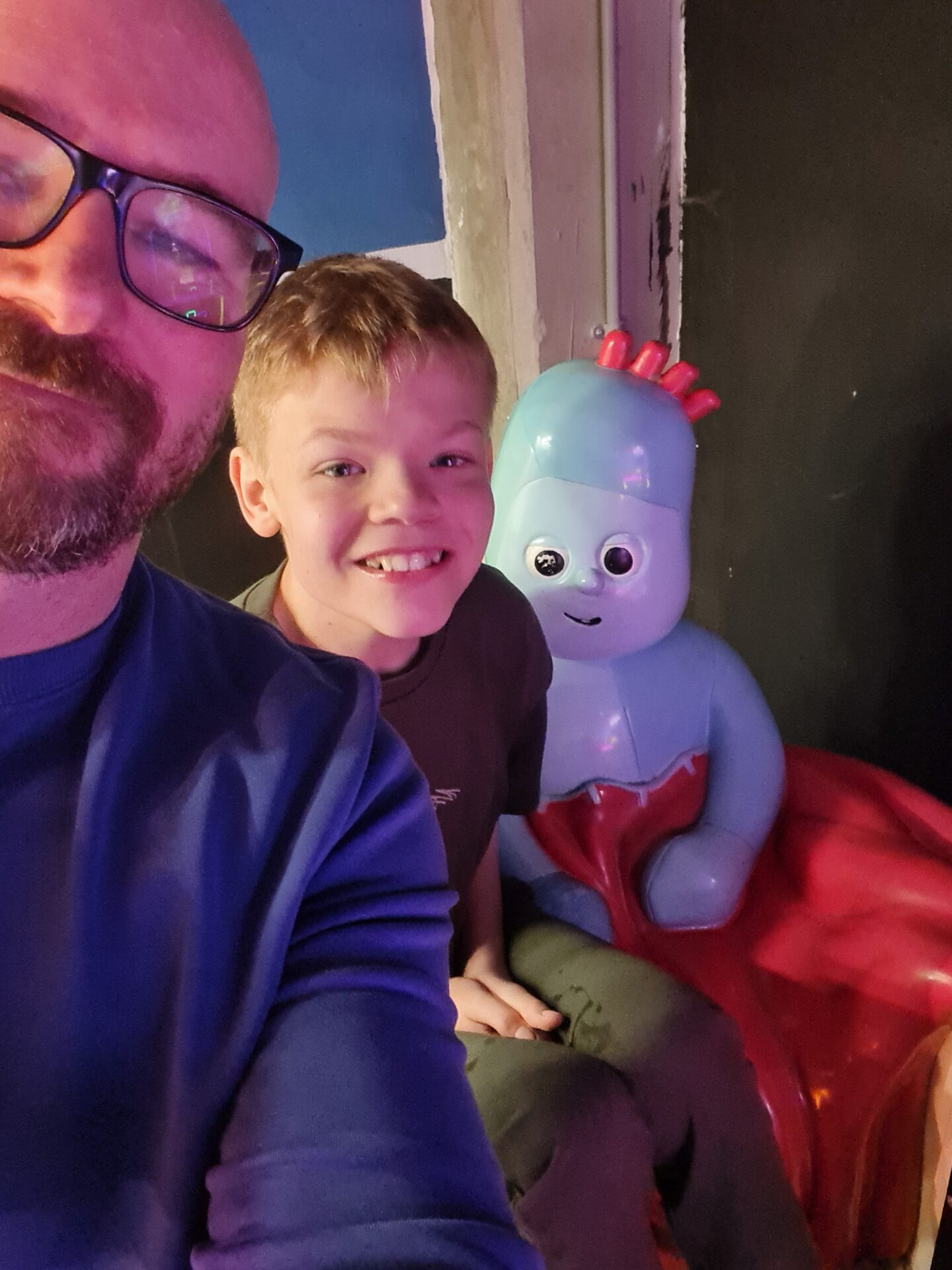
Everything we do is because of Matthew. He is the reason we continue to speak out, create content, and advocate for greater awareness. If his story helps even one child receive an earlier diagnosis, one parent trust their instincts, or one family find hope during difficult times, then sharing it has been worthwhile. This is Matthew's story. But it is also a story shared by countless families living with rare diseases.
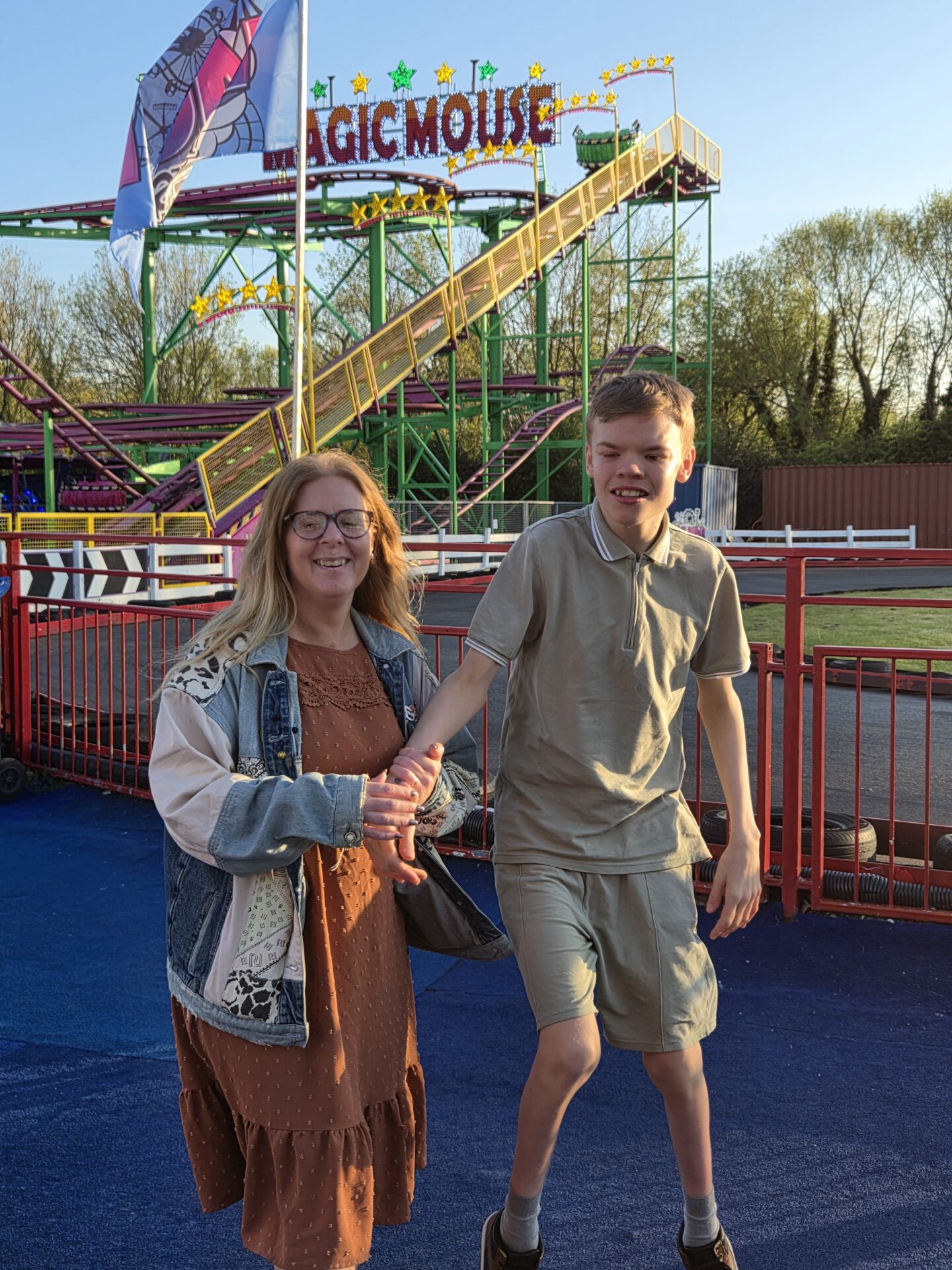
Our message is simple.
Never stop asking questions.
Never stop believing your instincts as a parent.
And never underestimate the power that sharing one child's story can have in changing the lives of others.
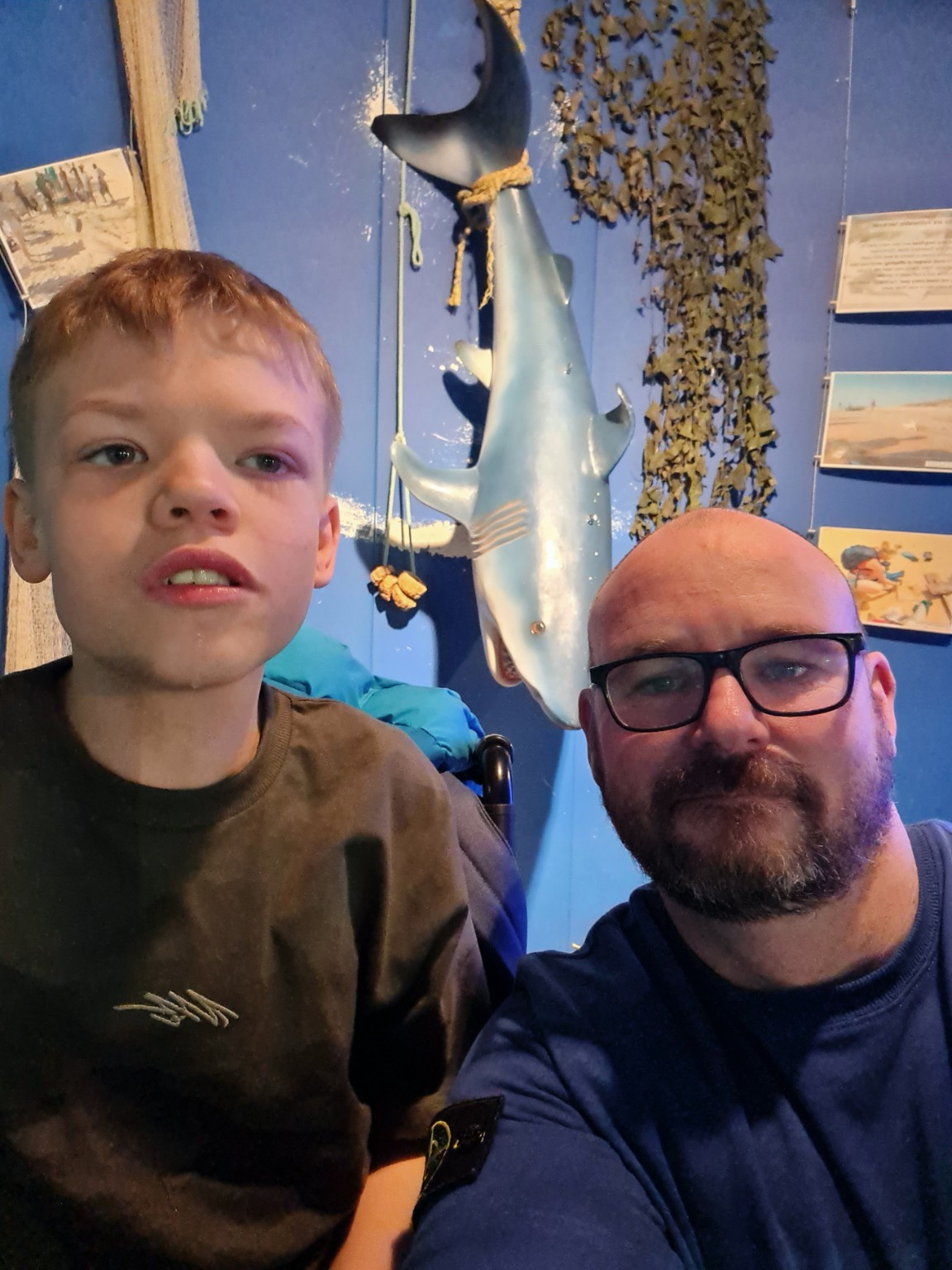
I genuinely believe this is a story that deserves to be heard. It has the potential to raise awareness not only of HCU and NF1, but also of the importance of newborn screening, listening to families, and recognizing rare diseases earlier. I hope it helps many other parents and children in the years ahead.