Patrick from Pennsylvania

I was diagnosed with classical homocystinuria (HCU) at the age of 9, and the diagnosis did not come easily. I had been tested twice before doctors finally connected the dots, and by then I had already undergone three eye surgeries due to dislocated lenses in my eyes. Since then, corrective lenses, a strict low-protein diet, and daily medical nutrition have become part of my everyday life. Each day, I consume approximately 35 grams of protein, along with 11 grams of betaine and six HCU coolers to help keep my homocysteine levels in check. While maintaining this routine can be challenging at times, I have come to view it as the foundation that allows me to stay healthy, remain active, and continue pursuing the things I love.
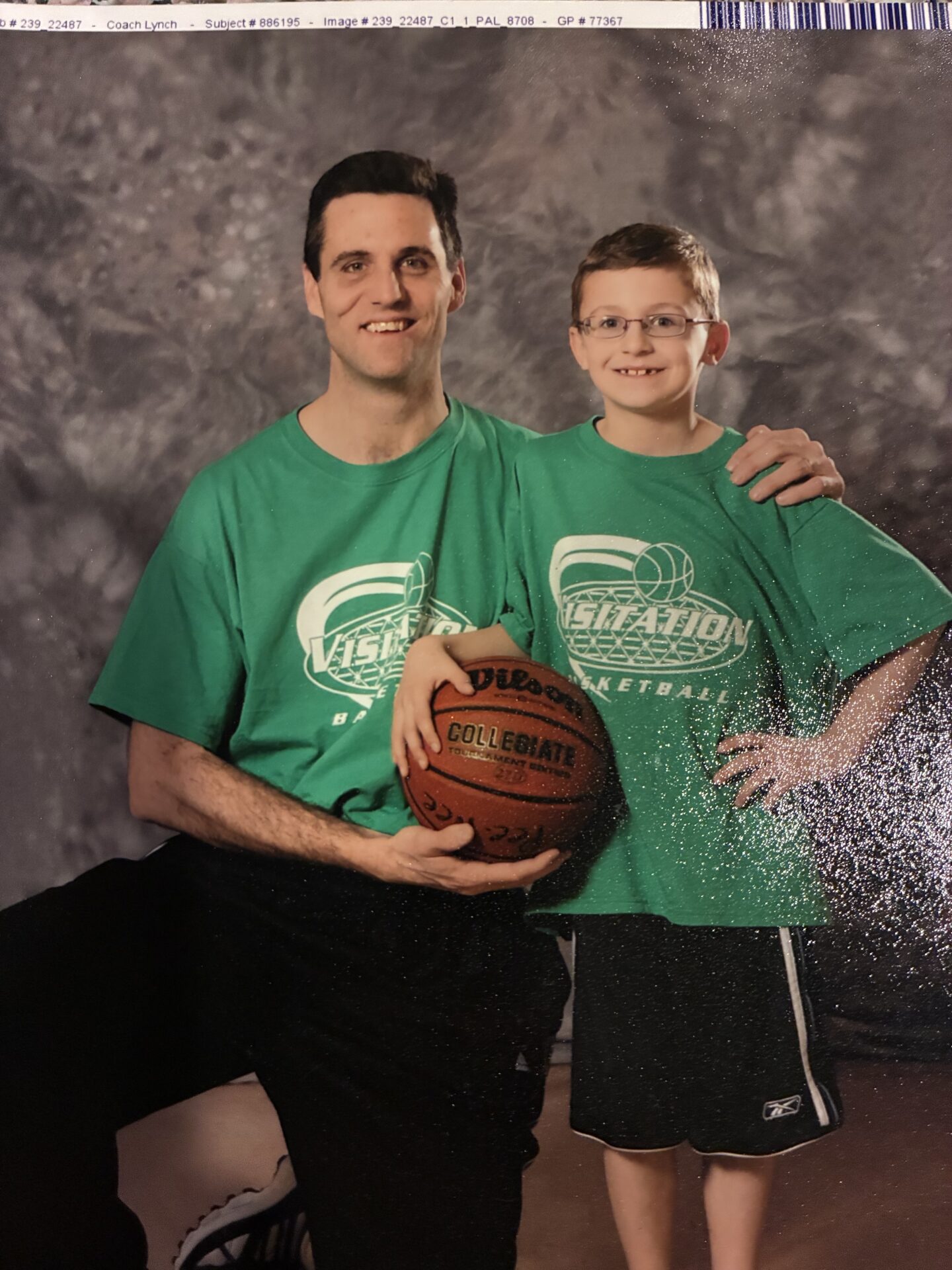
Ever since I can remember, sports have been one of the biggest parts of my life. Growing up, I played basketball, soccer, baseball, and lacrosse. Basketball became the center of my athletic journey, and I played from age five through twenty-two. Through sports, I built friendships and found communities of people who supported me not only as an athlete but also as someone managing HCU.
From the beginning, my parents played a huge role in helping me navigate life with HCU. They drove me to practices, made sure I had foods I could safely eat, and constantly reminded me that my diagnosis did not have to define me. Because of their support, I never felt like I had to sit on the sidelines. Instead, I learned how to adapt, prepare, and continue showing up.
Living with HCU meant preparation became part of every practice, game, and workout. The right diet directly affected how I felt and performed. Meal preparation, tracking protein, and staying consistent with my medical nutrition all became part of my routine as an athlete. Over time, I stopped viewing structure as a limitation and started seeing it as something that gave me opportunities.
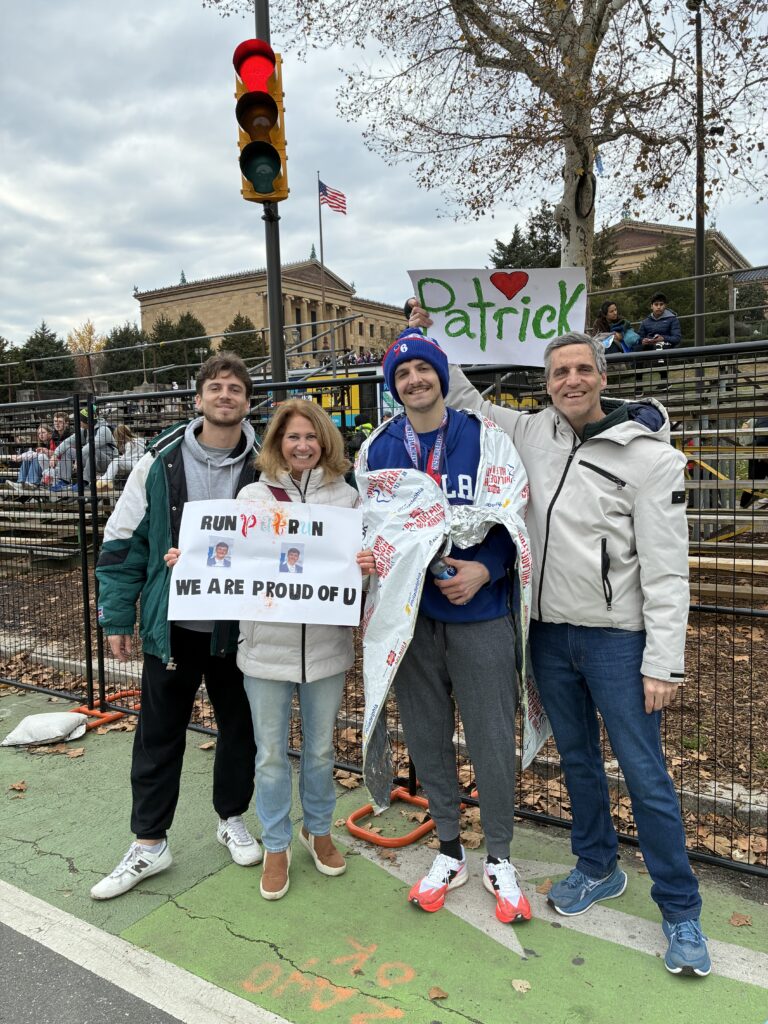
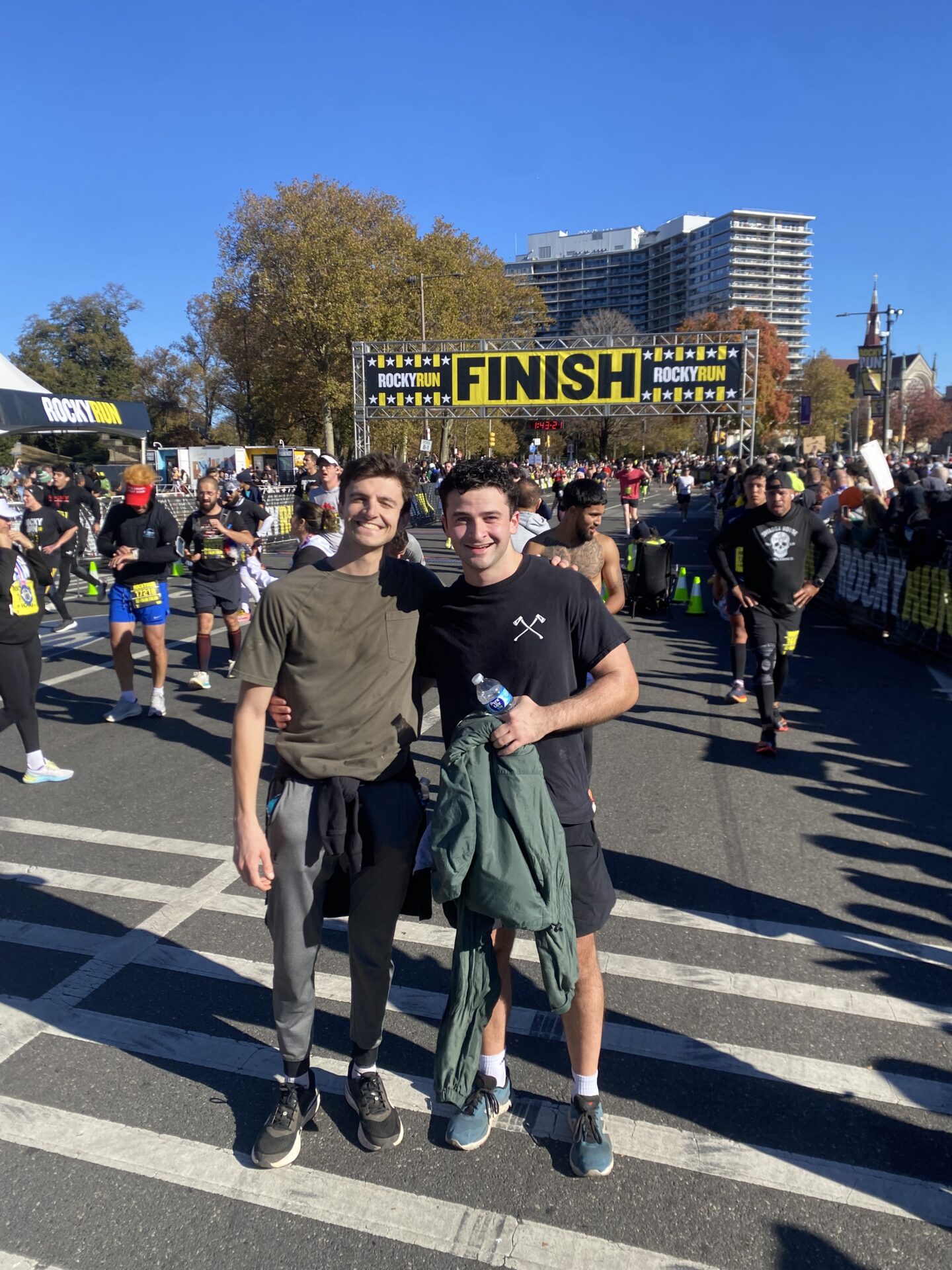
After college, I found running and it has been something I look forward to the most throughout the week. Running has given me something team sports couldn’t: a conversation with myself. It has asked me to trust my training, my fueling, and my body’s signals. In 2024, I finished my first half marathon. In 2025, I crossed the line of my first marathon. Those finish lines meant more than distance; they were proof that careful daily choices can add up to extraordinary moments.
Still, managing the diet has not always been easy. Around ages fifteen and sixteen, I started pushing back against the routine. I made excuses about having an upset stomach and stopped taking my coolers consistently. At the time, I wanted to feel more normal and not have to think about HCU every day. Eventually, though, I paid the price for it. My energy dropped, life became more difficult, and I realized how much my health depended on the habits I had been avoiding. Looking back, that period taught me one of the most important lessons of my life, managing HCU is not about being perfect, but about understanding how much the small daily choices matter. Once I recommitted to taking care of myself, I began feeling healthier, stronger, and more like myself again.
I learned a lot from those years and that experience helped shape the way I have approached both my health and athletics moving forward. I became more disciplined, more aware of my body, and more appreciative of the routines that allowed me to continue competing and staying active. Sports taught me how to break large goals into smaller, manageable steps: prepare the meals, take the coolers, and keep moving forward. Over time, those small actions build confidence, and that confidence turns into progress.
I’m proud of what I’ve accomplished, but I’m even prouder of how I’ve achieved it with patience, planning, and the support of those around me. My parents' encouragement from an early age allowed me to experience the joy of athletics despite the challenges of living with HCU. My teammates became lifelong friends who supported me both on and off the field. Running later taught me that progress is not always linear, but that consistency, perseverance, and trust in the process can lead to meaningful growth over time.