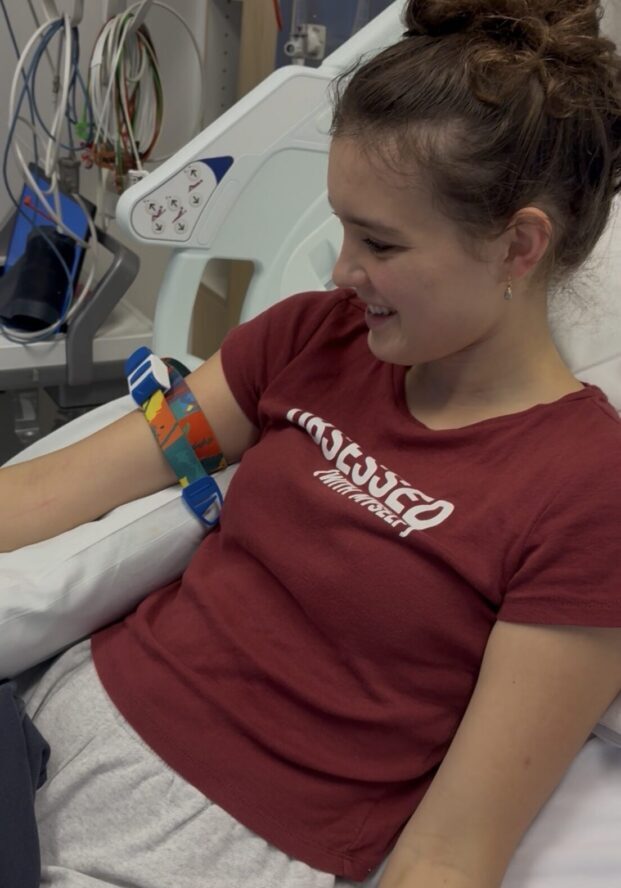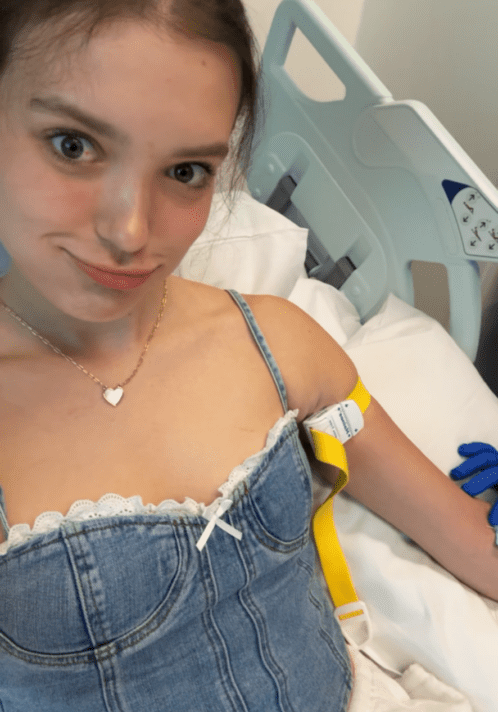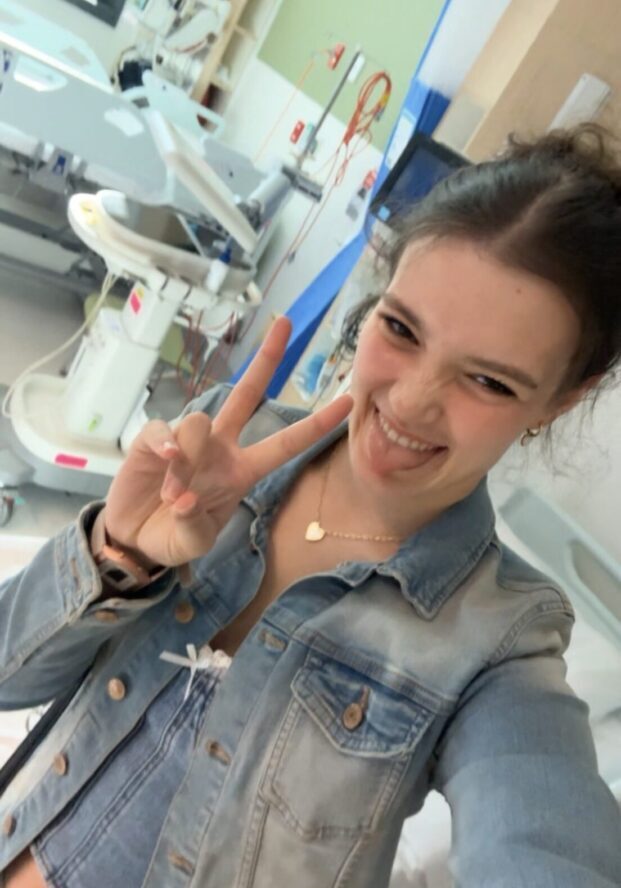
When people hear the words ‘clinical trial’, it can sound really scary — and honestly, I understand why. Hospitals, tests, and not knowing exactly what’s going to happen can be overwhelming. But for me, being part of a clinical trial has been something I’ve wanted for a long time.
I think that started when I was about 12 years old. I met an amazing woman, Bianca from Australia, at a MDDA Conference who has PKU and was part of a clinical trial. She quickly became a huge role model for me. I followed her journey and watched her share her experience, and I remember thinking how amazing it was. She wasn’t just helping herself — she was helping future patients too. From that point on, I remember thinking, I want that for HCU.
Growing up with homocystinuria, I always hoped one day there would be more treatment options. Living with a strict diet and medication can be really hard, especially as a kid and teenager. I wanted things to be easier — not just for me, but for other kids growing up with metabolic conditions. At one point, I even thought I wanted to become a genetic doctor so I could create a clinical trial myself. As I got older, I realized that path wasn’t right for me, but the motivation behind it never went away.
When I was around 15, there were a few information sessions about possible clinical trials, but none of them were the right fit at the time. Still, I never stopped hoping that one day I’d get the chance to take part in one.
That chance finally came after I transferred from pediatric care to adult care in late 2024. A few months later, in February 2025, I got a call asking if I would be interested in a clinical trial that was being planned on the east coast of Australia. They were just collecting expressions of interest, but I remember feeling so excited. The trial would start after I turned 18, which meant I was finally eligible.
I went for screening in April 2025, feeling hopeful. I knew I had classical homocystinuria, I had genetic testing to confirm it, and I genuinely believed I fit all the criteria. I remember thinking, this is finally happening. But it didn’t go how I expected.
Like a lot of people with HCU, I’m used to keeping my protein intake very low, especially before hospital appointments. In the 16 hours before my screening, I’d only had about two grams of protein. Because of that, my homocysteine and methionine levels came back too low for me to be eligible for the trial.
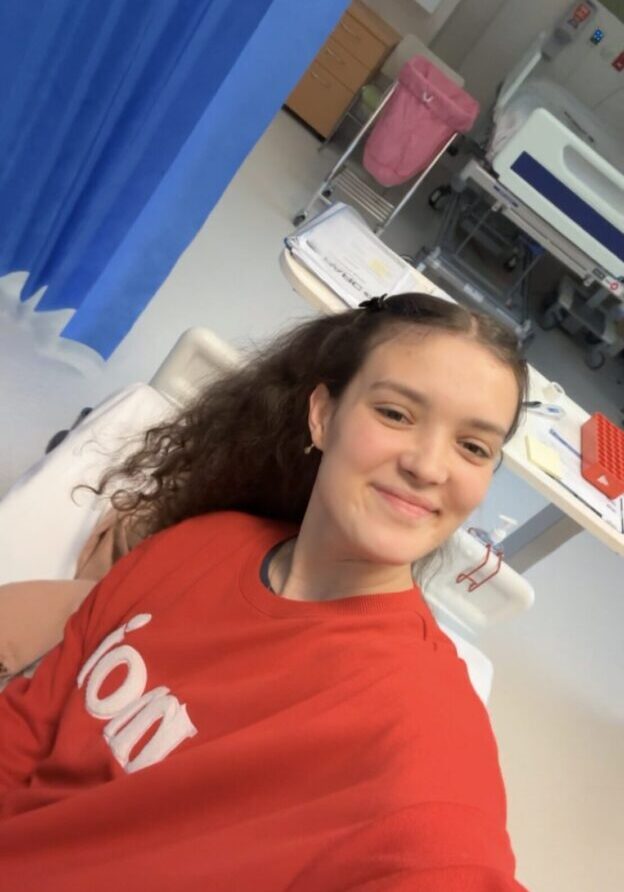
I was completely devastated. I felt so crushed. It was the one time in my life where I actually needed my levels to be higher, and instead they showed the opposite of what my everyday life is really like.
Thankfully, the trial team were so kind and understanding. After explaining that I hadn’t realized I was meant to reflect typical levels but instead tried to show really amazing low levels, they contacted the pharmaceutical company and advocated for me to be able to re-screen. Months later, in October 2025, I was given another chance. This time, everything went smoothly, and I officially joined the trial. I started receiving study medication in November 2025.
There’s not much I can say about the medication itself, but I can talk about what the experience has been like. Honestly, the hardest part for me hasn’t been the hospital visits or the doctors — it’s been the diet diaries.
Before certain appointments, I must record everything I eat for three days. And I mean everything: tomato sauce, butter, exact amounts, down to the gram. Trying to hit exactly 15 grams of protein a day is way harder than it sounds. I’d either end up over at 19 grams or under at six or seven because I was trying so hard to get it right. It’s stressful and mentally exhausting, and for me, that’s been the hardest part of the whole process.
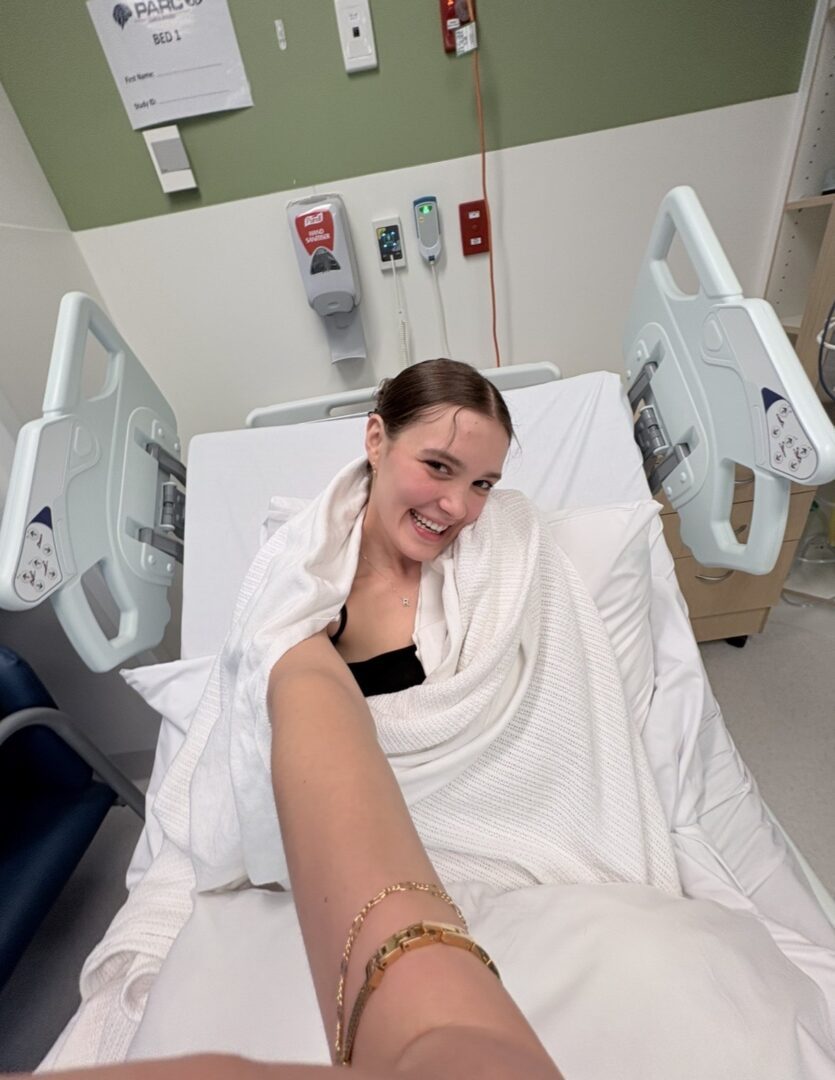
The doctors, though, were amazing. From the very beginning, they made it clear that I could withdraw from the trial at any time, with no pressure and no judgement. They reassured me that leaving wouldn’t affect my care or future opportunities to participate in trials. That made me feel safe and supported, and it showed me how much they genuinely care about their patients.
Overall, my experience in the clinical trial has been a positive one. I feel respected, listened to, and valued as a participant. I have also learnt a lot about Homocystinuria and the science behind it. I’m excited to see what comes out of this trial, and I’m also hopeful about other trials that may happen in Australia in the future.
For me, participating in a clinical trial isn’t just about helping myself. It’s about the future. I think about the babies who will be born with HCU years from now, and the kids who are growing up right now feeling different because of their food or medication. I think about teenagers who might be struggling the way I have, and how much it would mean for them to have better options.
If one day there’s a treatment available that improves someone’s quality of life because I took part in this research, then every appointment, diet diary, and hard moment is 100% worth it. If I can help create a better future for even one child with HCU, then I’m proud to be part of this journey.