Carson From South Carolina
Our Journey from a Marfan Diagnosis to Homocystinuria
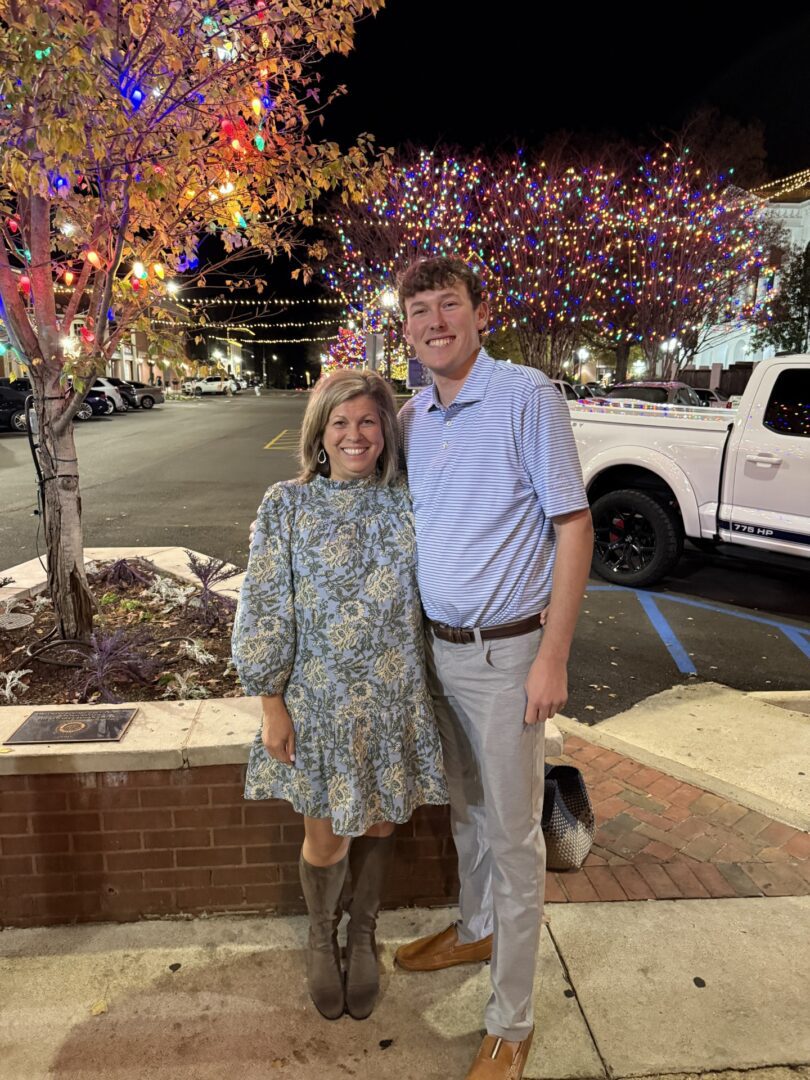
For the first time in years, our family felt like we had finally reached a steady place in my son Carson’s medical journey. After fifteen years of appointments, specialists, travel, and treatment, we believed we were managing Marfan syndrome well. Carson had been diagnosed at age five with what doctors believed was a spontaneous mutation, since no one else in our family exhibited symptoms. We had done everything we were told to do, and more, to ensure he received the best care possible, no matter the location.
Carson was born long and lean and quickly outgrew his bassinet. He was always the tallest child in swim lessons, mom-and-tot classes, music classes, and at preschool. When he was three, I noticed his chest appeared sunken in while bathing him. Our pediatrician wrote down “pectus excavatum” on a piece of paper and advised me not to Google it.
At age four, Carson was referred to an allergist because his pediatrician suspected asthma. I nearly canceled the appointment, feeling he was too young for testing, but I’m grateful we went. The allergist ruled out asthma, but she began measuring Carson’s wingspan and closely examining his chest. After consulting with other doctors in the room, she told us we needed to schedule an echocardiogram immediately because he most likely had Marfan syndrome and could be at risk for a fatal aortic dissection. The news was shocking as we had never heard of Marfan, and we were panic-stricken.
We scheduled the echocardiogram for the next day at a non-children’s hospital. The experience was traumatic and unsuccessful. Before we even received results, we were contacted by a geneticist for testing, which prompted us to seek a second opinion at the nearest children’s hospital. There, a pediatric cardiologist performed a new echo that came back normal. At the time, a clinical diagnosis of Marfan required five diagnostic criteria; Carson had only one, pectus excavatum, so Marfan was ruled out, and genetic testing was not suggested.
That same year, during a routine kindergarten eye screening, we were told Carson’s vision was significantly impaired, and he was referred to an ophthalmologist. That two-hour appointment changed everything. We were told Carson had dislocated lenses, which was something I already knew was considered a hallmark sign of Marfan syndrome after continuing my “motherly instinct” research. We scheduled an appointment with a cardiologist who specialized in Marfan at the same children's hospital and a follow-up echocardiogram showed mild dilation of Carson’s aortic root just a short time after his previous normal scan.
At that point, Carson began treatment for Marfan syndrome by starting annual echocardiograms and was prescribed Losartan and Atenolol. Genetic testing was recommended, but it was not covered by insurance and was expensive. We were also told that identifying the mutation would be like “finding a needle in a haystack” and would not change his treatment plan. Given the cost, logistics, and confidence in his clinical diagnosis, especially with the dislocated lenses, we agreed to postpone genetic testing.
In 2017, eight years after his diagnosis, we moved from Texas to South Carolina. Carson’s ophthalmologist recommended surgery for his lenses, as glasses were no longer sufficient. To our surprise, the procedure she recommended was only being performed by a handful of surgeons nationwide, and the physician leading the FDA study was located at MUSC. She had also trained under him during her residency which led to Carson being approved for the artisan iris claw lens procedure. He underwent surgery just two weeks after our move, and the results were life changing. He no longer needed glasses, and his eyesight improved significantly.
Throughout his follow-ups, both cardiology and ophthalmology, no one questioned his Marfan diagnosis. He had presented an upward displacement of his lenses, pectus excavatum, was tall and thin but “stiff” versus double-jointed and had a mild dilation of his aortic root. Diagnostic criteria had evolved, and patients no longer needed five symptoms to be clinically diagnosed as Marfan syndrome was recognized to have a broad and diverse presentation.
In 2020, after a routine cardiology visit, Carson underwent a CT scan to measure his Haller Index. We knew his pectus excavatum had worsened but were told that his organs had accommodated for the space. We were shocked by his measurement of 9.7 which meant there was only a couple of inches of space between his sternum and his spine. We were referred to a surgeon at MUSC for the Nuss procedure, but something didn’t seem right, so I began researching surgeons with extensive experience and recalled learning about cryoablation for pain management at a Marfan conference.
We found a surgeon at the Cleveland Clinic who was a bar consultant, had refined the procedure, and had performed it many times with excellent outcomes. Despite the challenges of Covid, we received insurance approval and scheduled the surgery. Carson required three bars, and his sternum fractured during the procedure due to unexpected bone calcification for his age.
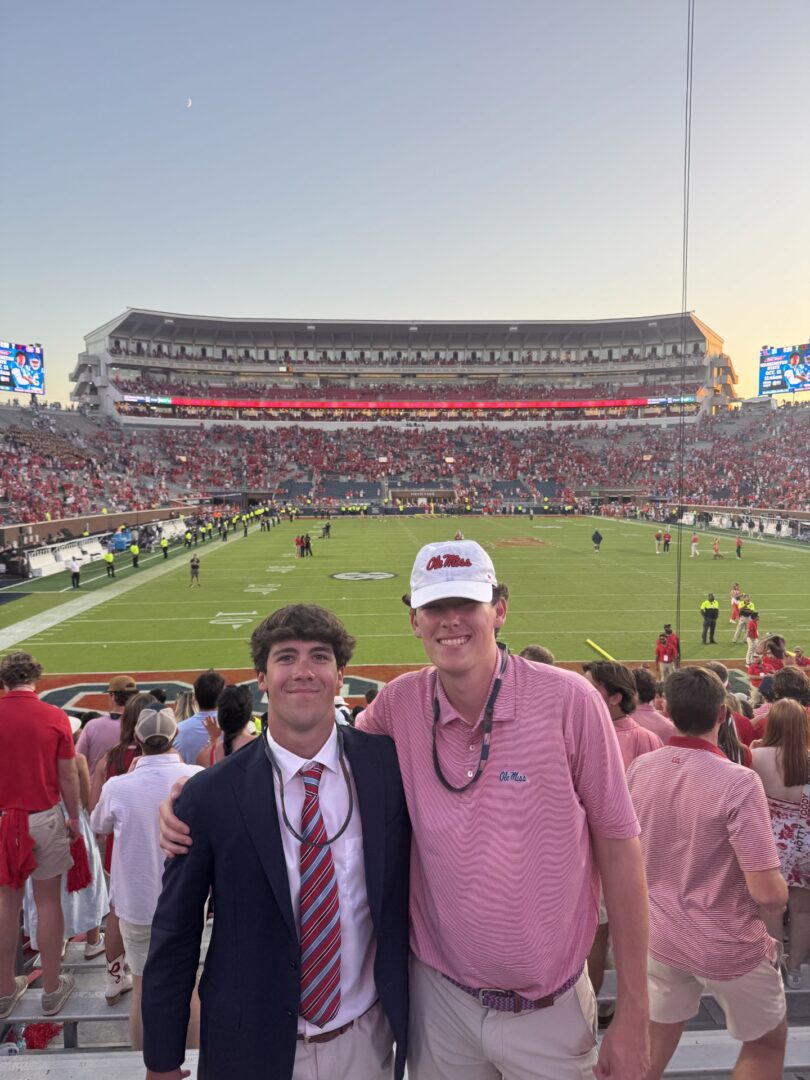
His surgeon told us it was a complicated case and that the outcome could have been very different without such an experienced team. Four years later, his bars were removed, and once again, we felt we had reached a stable place having addressed nearly every major symptom short of heart surgery.
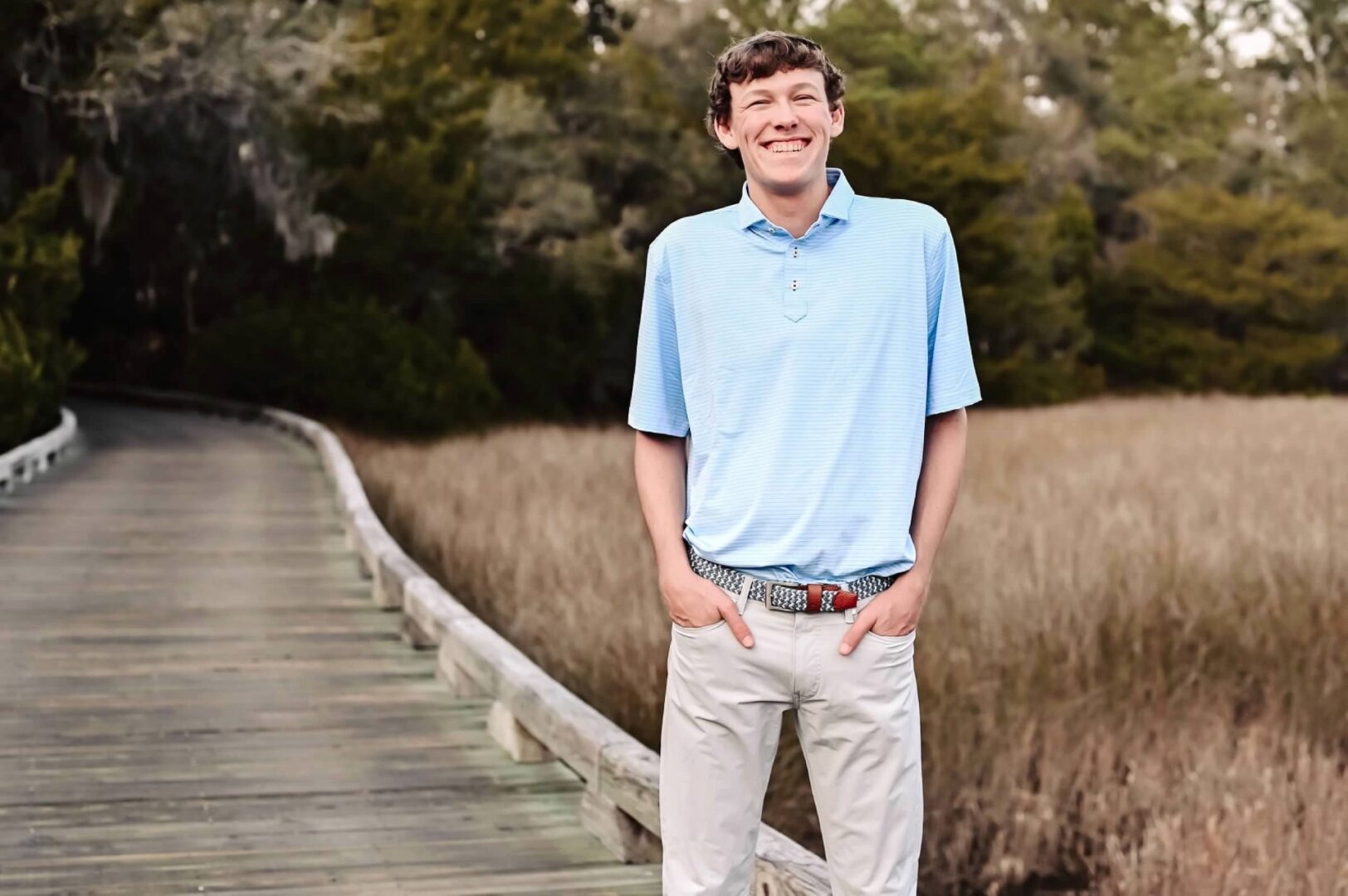
Carson continued annual cardiology visits at the Cleveland Clinic, along with follow-ups with his surgeon and ophthalmologist, scheduled around his college breaks. This past August, his cardiologist suggested genetic testing as it is now simple, faster, and far more advanced, to which we agreed. Two weeks later, we received a call that changed everything. Carson did not have the FBN1 mutation and therefore did not have Marfan Syndrome.
He also tested negative for other connective tissue disorders such as vascular EDS and Loeys-Dietz. Further testing revealed a CBS mutation and a second mutation of uncertain significance. Lab work confirmed elevated homocysteine levels, and the geneticist explained that Carson most likely had homocystinuria.
We were stunned. Despite years of medical care, conferences, specialists, and advocacy, we had never heard of this condition, one that mirrors Marfan in many ways and can be identified with a simple blood test. To say our world was turned upside down is an understatement. In the past month alone, we’ve consulted genetics teams at the Cleveland Clinic, Le Bonheur near Carson’s college, and finally a wonderful team at MUSC. My background as a paralegal made me relentless in researching and advocating, which led us to HCU Network America and ultimately back to MUSC, bringing our journey full circle after our move to South Carolina.
Adding to our surprises, genetic testing revealed that both Carson’s brother and I are carriers of the CBS mutation, while my husband carries neither mutation. Per the genetic counselor, this suggests Carson’s second mutation is spontaneous and not yet classified. He will undergo further genetic testing as his cardiologist believes he may still have an underlying connective tissue disorder contributing to features less common in homocystinuria.
I’m not going to lie; the transition has been overwhelming. In just a few weeks, Carson has had botched labs by the local hospital, started Betaine, B6, and B12, adjusted his cardiac medications, and began restricting protein. The addition of medical formula and further dietary changes are coming, and he hasn’t exactly been thrilled. This new diagnosis has brought waves of grief and confusion, especially after feeling so secure in our Marfan journey. Our Marfan doctors and foundation community feel like family, and it was an emotional, possible “last” visit with his treatment team. However, the timing has also been a blessing in that Carson has been home for Christmas break, giving us time to adjust, learn, and establish routines together.
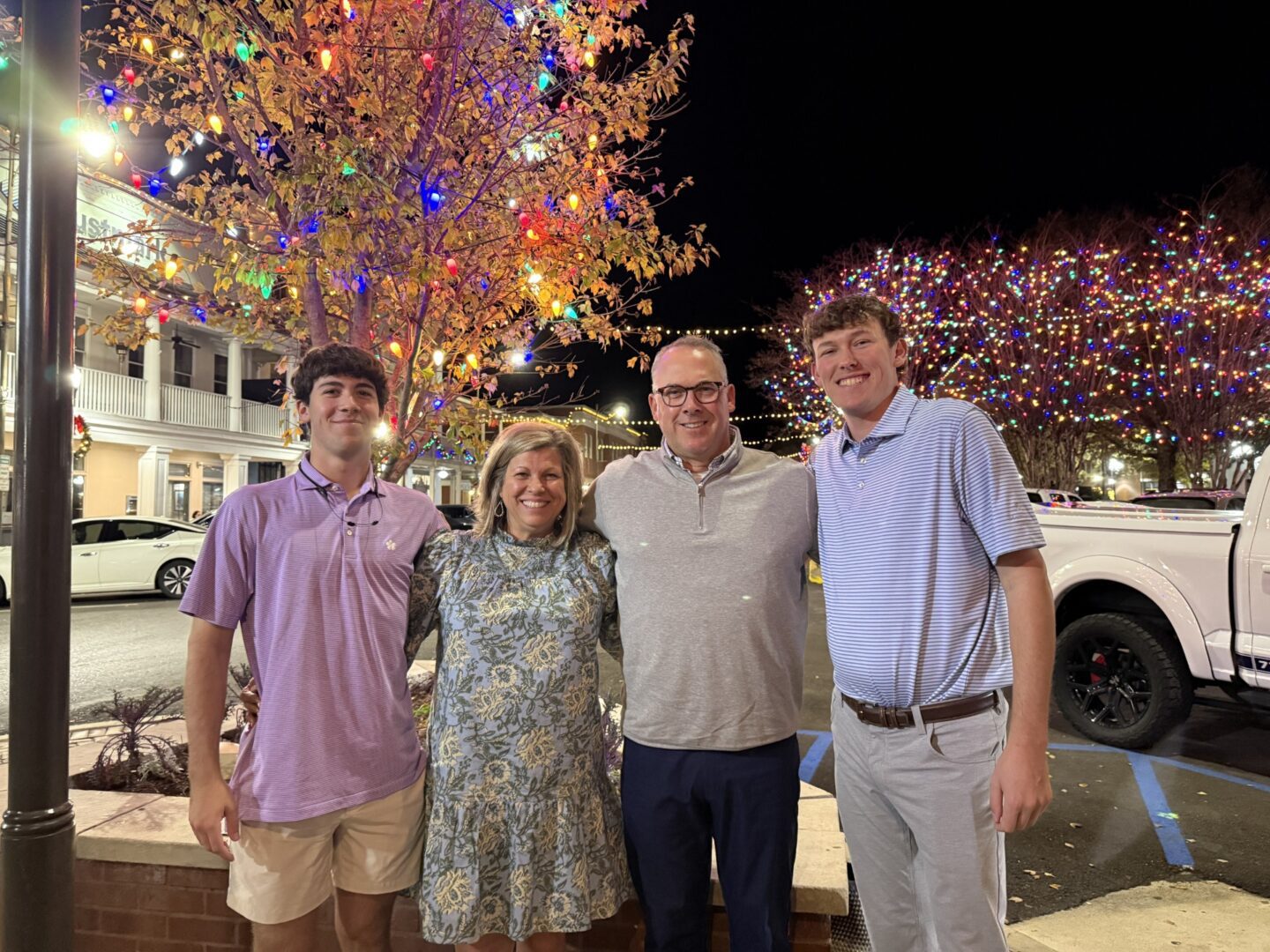
After speaking with his Cleveland Clinic treatment team and our Marfan community, this experience has reshaped our perspective and strengthened our commitment to advocacy. Our hope is to raise awareness about early genetic testing, particularly in cases believed to be spontaneous, and to help build connections between the Marfan and HCU communities, so families receive the right diagnosis as early as possible.
In the coming months, we hope to better understand Carson’s dietary tolerance with treatment, gain clarity on his genetic results, and build collaboration between the Marfan and HCU communities. Most importantly, I hope to connect Carson with others who understand this journey, so he doesn’t feel alone while navigating a life-altering diagnosis during what should be some of the best years of his life.