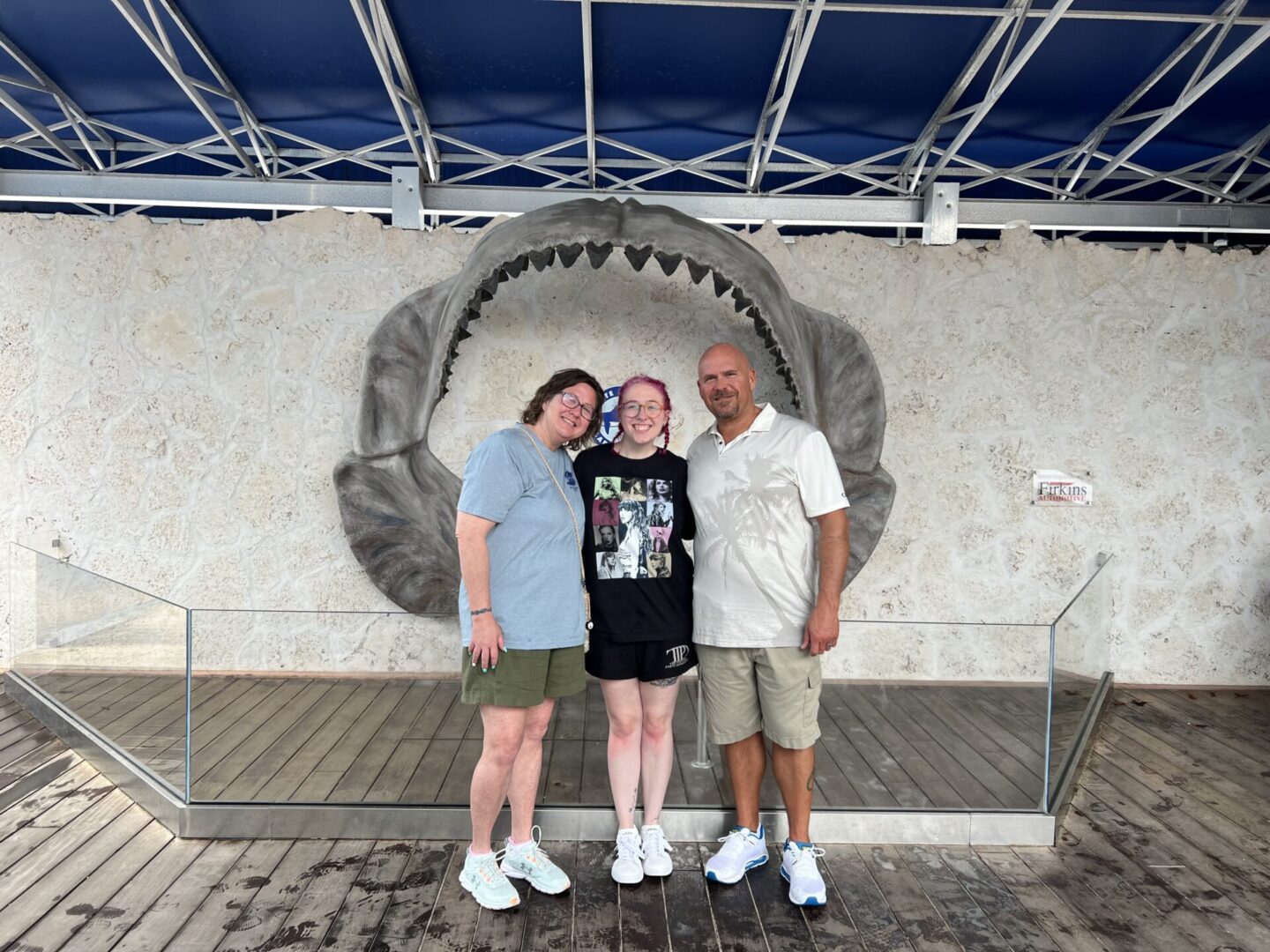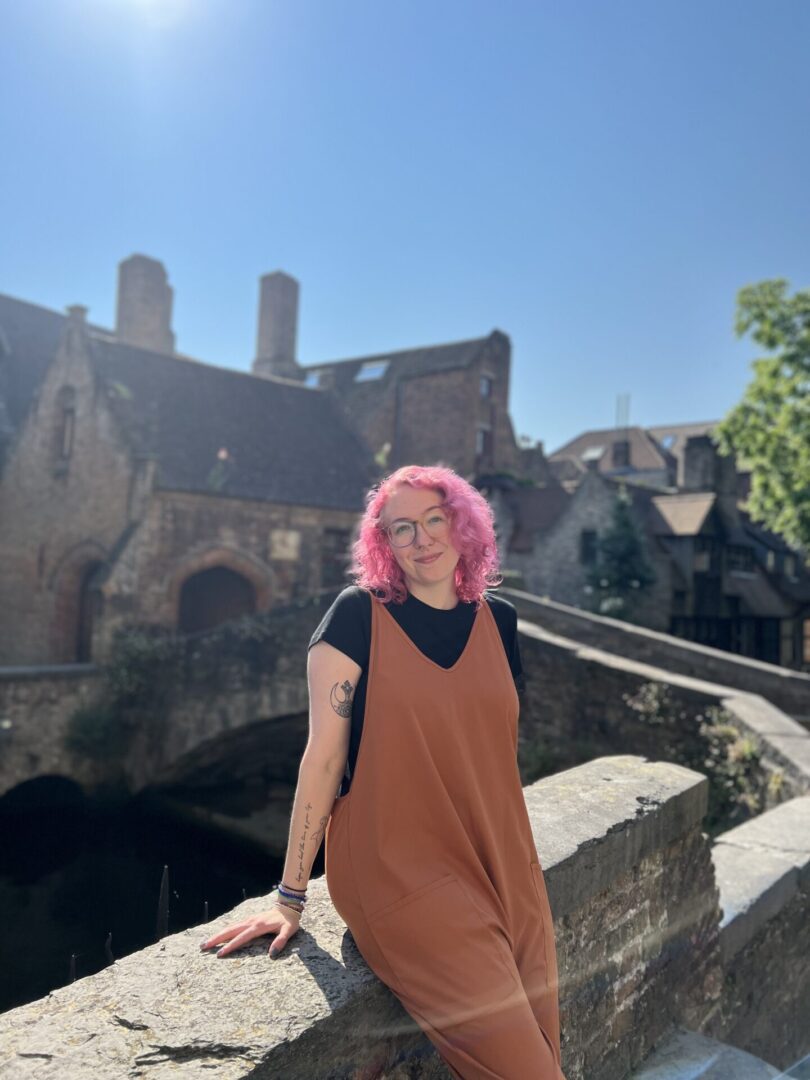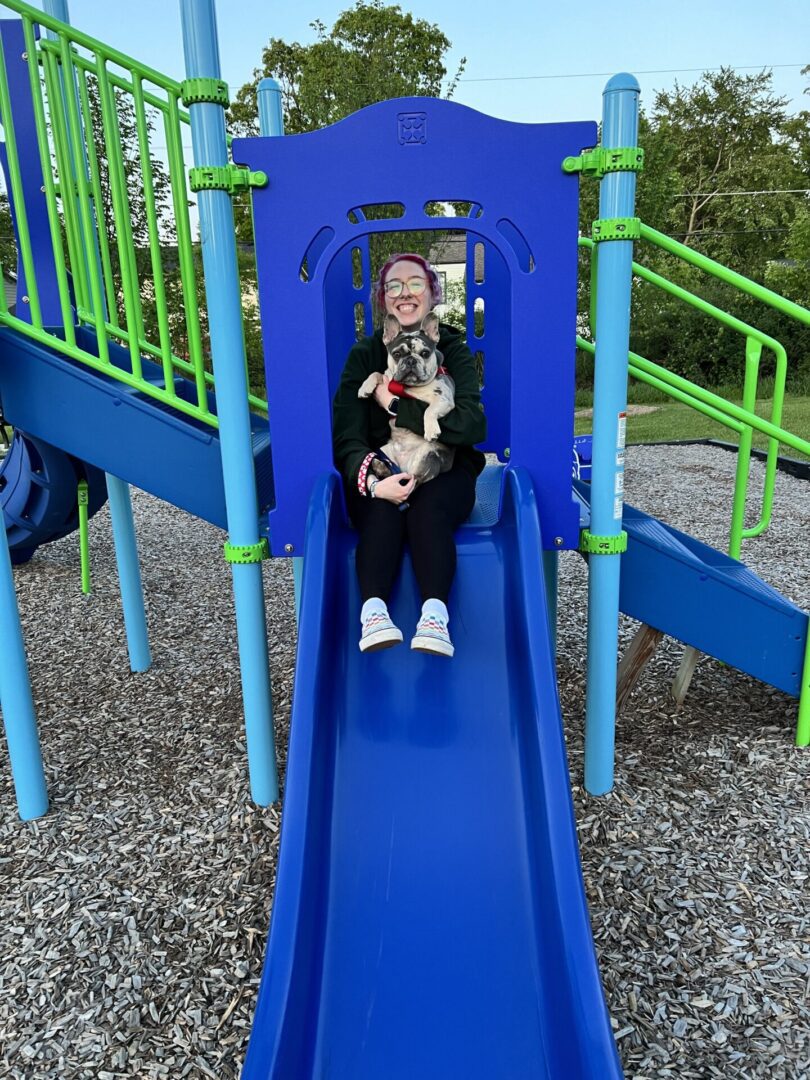
Avery, from Indiana
My name is Avery. I am 26 years old and was born in April 1999 in Indiana. I was diagnosed with classical homocystinuria (HCU) in 2025. I do not believe HCU was included on the newborn screening panel in Indiana at the time I was born. Looking back, I had several symptoms consistent with classical HCU that were overlooked for years.
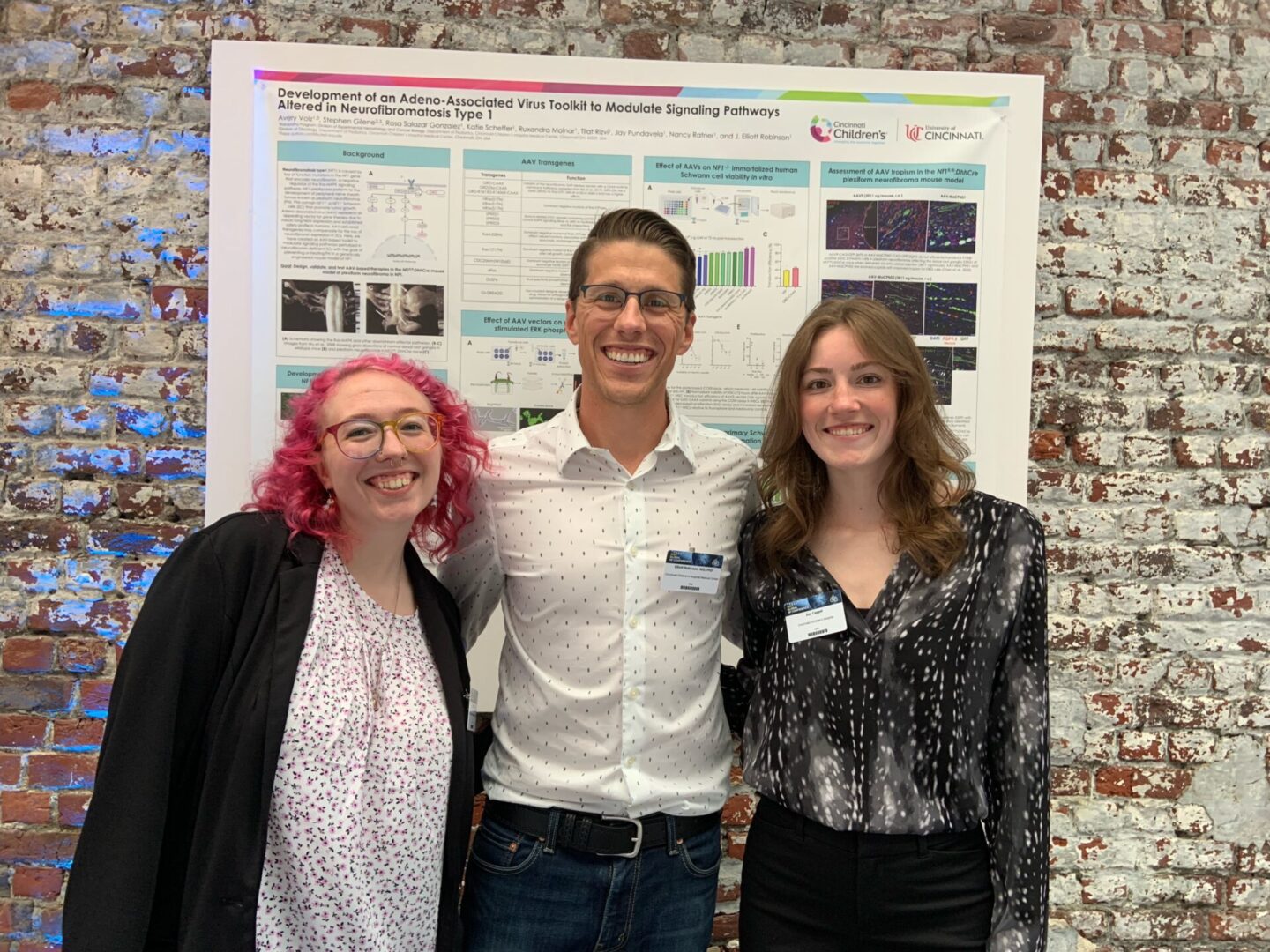
I am a PhD student at Cincinnati Children’s Hospital Medical Center (CCHMC), where I study neurofibromatosis type 1. Working at the hospital allows me to see what clinical trials are ongoing. At the end of 2024, I learned about a clinical trial, CincyKidsSeq, that offered free whole-genome sequencing. As both a student and a researcher, I was curious to learn more about my own genetics and wanted to contribute to science by participating.
In December 2024, I enrolled in the study and had my blood drawn for genomic sequencing. In 2025, while I was at work in the lab, I received a call informing me that my results were back and that the study wanted to schedule an appointment for me with a genetic counselor. My partner had participated in the study and received negative results directly through MyChart without a genetic counseling appointment, so I immediately suspected that I had some mutation, although I was not told what mutation I had at the time.
Before my scheduled appointment, I received another call explaining that I had two mutations in the CBS gene, meaning I possibly had homocystinuria. However, it was unclear whether both mutations were inherited from one parent or one mutation from each parent. Initially, my parents were asked to undergo genetic testing, but because they live three hours away, this would have been difficult. Instead, the team decided to first test my homocysteine levels.
In early August 2025, I had my blood drawn, and just a few hours later my results came back showing my homocysteine levels were greater than 120 mcmol/L. I remember seeing the notification while at work. It didn’t feel real. After that, there were many follow-up phone calls and changes in the doctors I would be seeing. I am incredibly grateful to my boss, Elliott, who helped connect me with the appropriate specialists at CCHMC during this overwhelming time.
At my first genetics appointment, my doctor decided to begin a vitamin B6 responsiveness trial. I tested several doses, with blood draws every few days to monitor my response. To make the process less stressful, I had my family and friends guess what my homocysteine levels would be before each draw. My baseline levels before the trial were again over 120 mcmol/L. After a few days on 100 mg of B6, my levels dropped to 42.2 mcmol/L. At 200 mg, they dropped to 37.3 mcmol/L, and at 400 mg, they dropped further to 24.3 mcmol/L. After the short trial, the doctor decided to have me try 200 mg for a longer period. After one and two months of 200 mg of B6, my homocysteine levels remained stable around 25 mcmol/L. I am incredibly grateful to be a B6 responder.
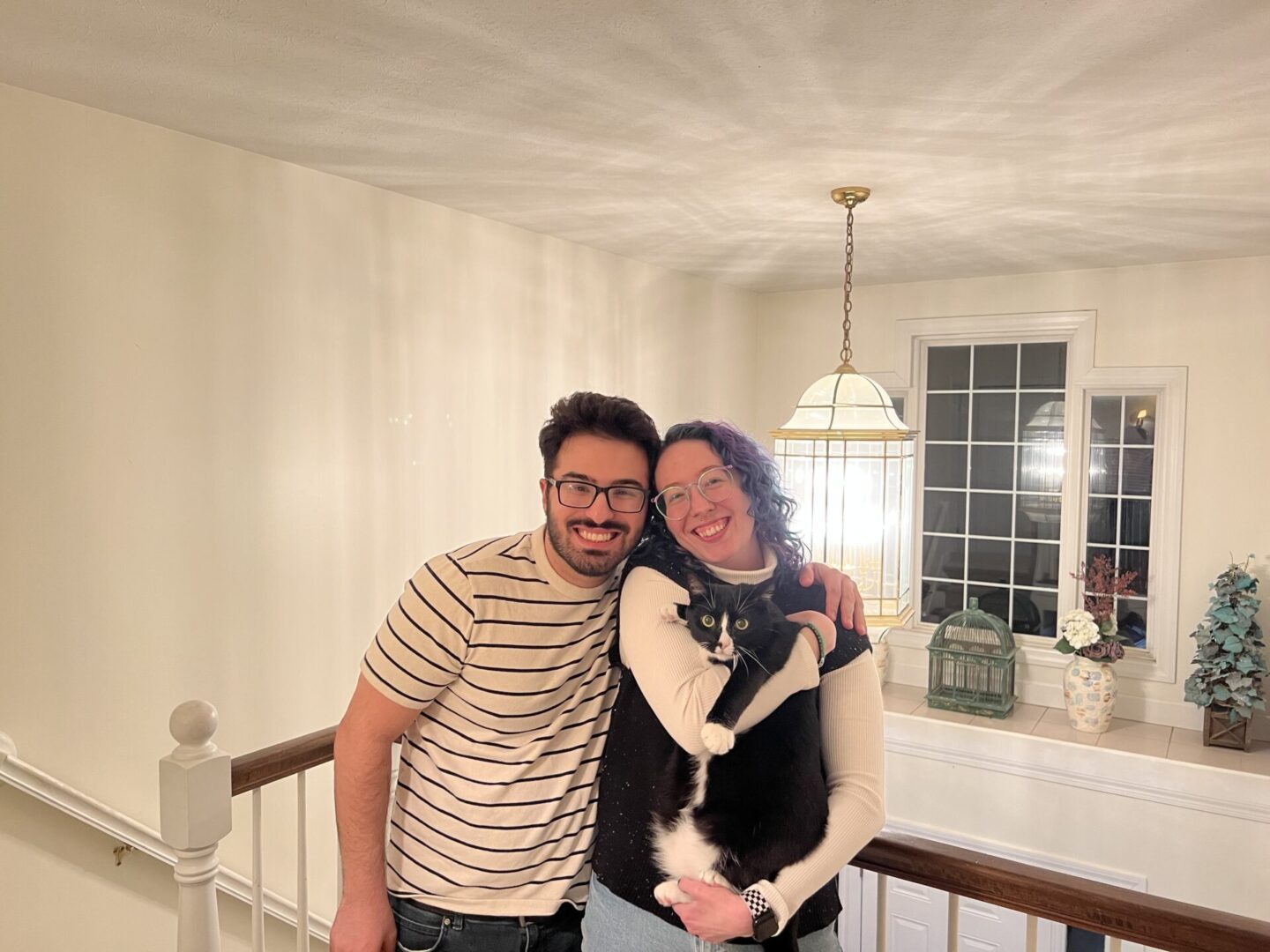
Since my diagnosis, I was referred to an ophthalmologist. I have worn glasses since fifth grade, with progressively worsening vision, but thankfully I do not have lens dislocation. Prior to my HCU diagnosis, I had also learned that I have several spinal abnormalities, including scoliosis, a unilateral right pars defect at L5, and spina bifida occulta, which were identified after months of back pain, physical therapy, and imaging. I also have long fingers and toes and have been diagnosed with anxiety and ADHD. While I exhibit many symptoms associated with HCU, I may have gone many more years without a diagnosis if I had not enrolled in this clinical trial and undergone genomic sequencing.
For many years, I have followed a mostly vegetarian and vegan diet because my body does not tolerate meat or dairy well, and I have continued this diet since my diagnosis. Each morning, I now take vitamin B6, folic acid, and vitamin B12, along with my other medications. Fortunately, the transition has not been difficult. Although receiving an HCU diagnosis was frightening, I am deeply grateful for the support of my family, friends, and coworkers.
I now understand the increased risks associated with HCU, including blood clots, strokes, and pulmonary embolisms, and I am vigilant about monitoring symptoms. Despite everything, I have a more positive outlook on life. Learning that I have a genetic disorder, one even rarer than the condition I study, was scary, but the diagnosis was ultimately a blessing in disguise. Without this genetic testing, I likely would not have been diagnosed until experiencing a serious, possibly life-threatening complication. By sharing my story, I hope to highlight the importance of genetic testing and help raise awareness about homocystinuria