Andrea From Texas
The diagnosis
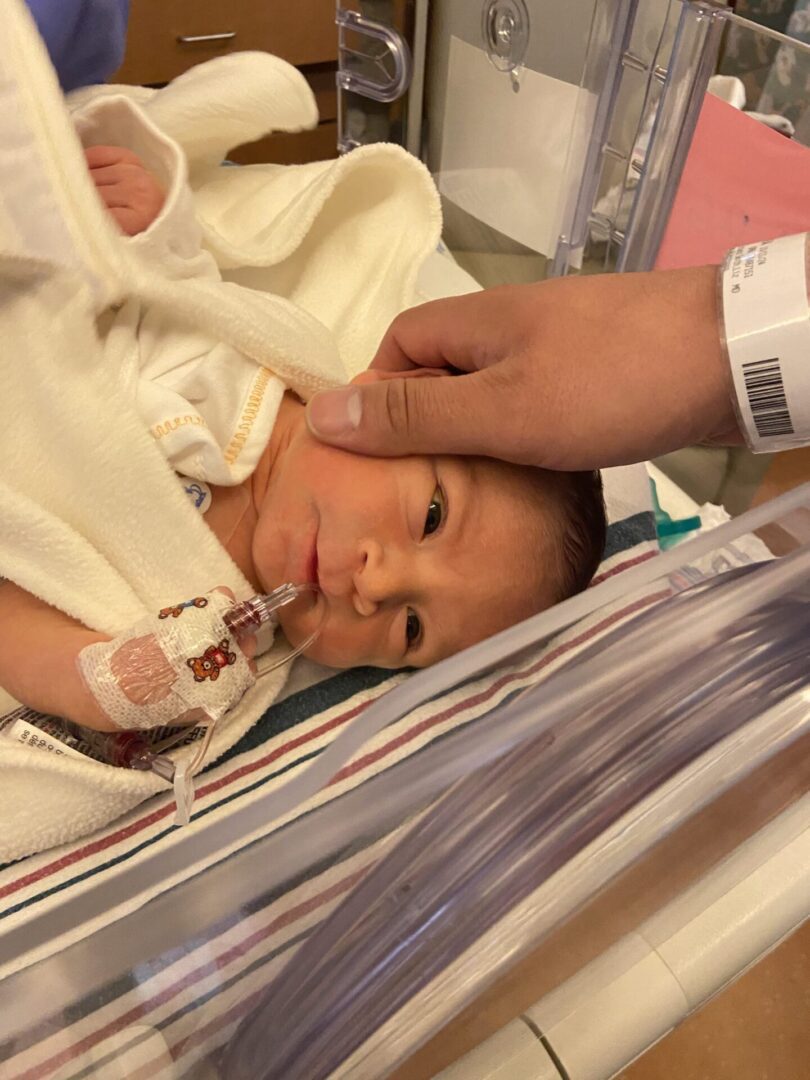
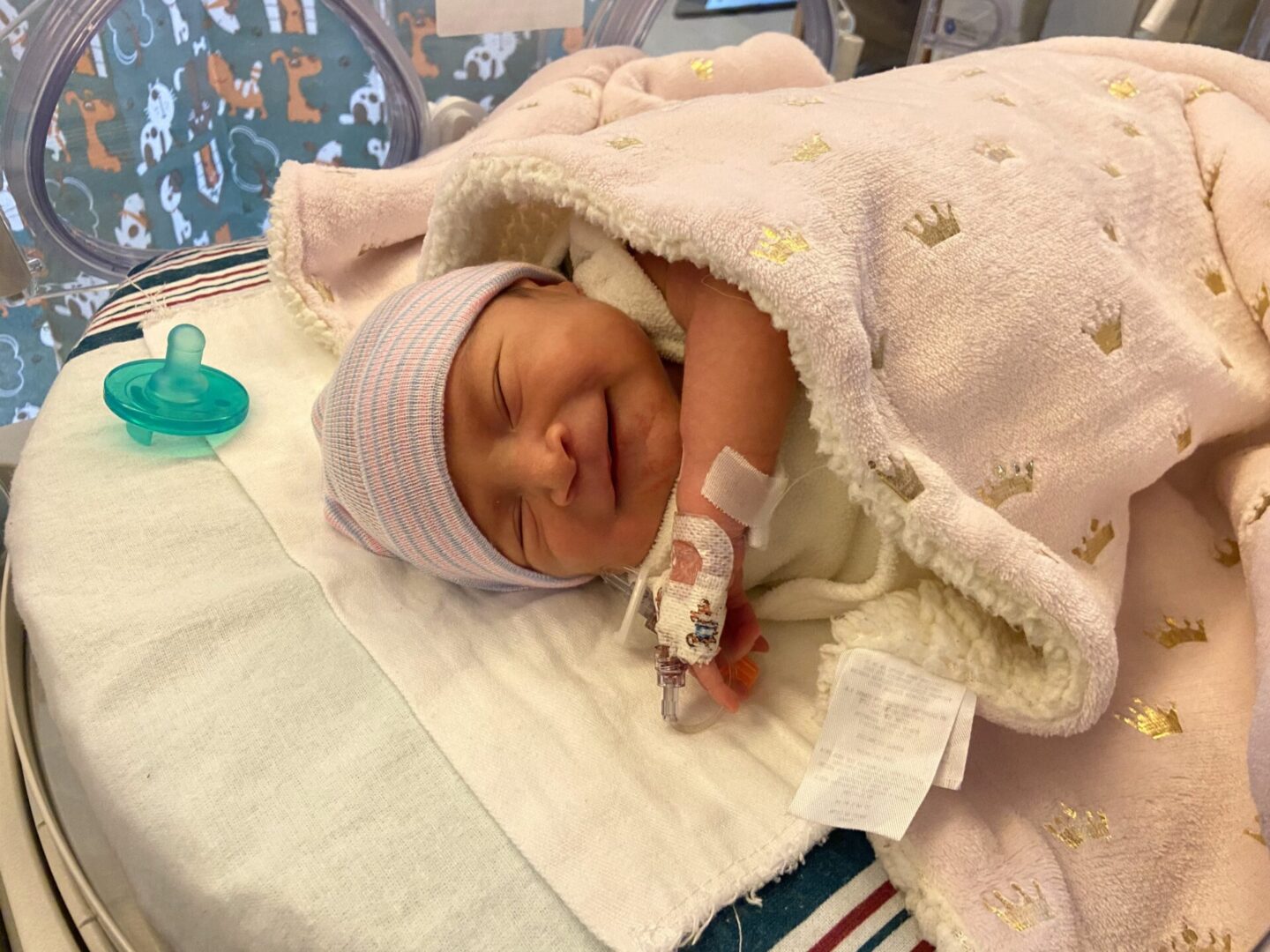
Andrea was admitted to the hospital when she was just four days old and taken to the neonatal intensive care unit (NICU).
Before that, I already felt something wasn’t right. She was very lethargic, slept almost all the time, and had little energy. She couldn’t feed well, she would fall asleep every time, whether I tried to breastfeed or give her a bottle. We tried everything to wake her up, to keep her alert, but nothing worked. She also had mild jaundice, though not enough to need treatment, so her pediatrician was checking her daily, but there was no improvement.
The day we decided to take her to the hospital, we had just received an abnormal newborn screening result, specifically from the PKU test. Combined with her symptoms, we rushed her to the emergency room.
When we arrived, the nurses tried to reassure us, saying it might just be a false positive. But when the attending doctor came in, she told us something that changed everything: “We’re going to have to admit her. This is something very rare, something we don’t really know. We need to investigate and monitor her closely.”
That’s how our NICU journey began, two long weeks of uncertainty, fear, and hope.
At first, every doctor and nurse told us the same thing: “It could be a false positive.” With IV fluids, Andrea started waking up a bit more and feeding better. I began pumping milk, tracking every ounce, every feeding, every diaper. She seemed to improve, and everyone said we’d probably be going home soon. But that didn’t happen.
We were admitted on a Friday, and every shift brought new doctors who repeated the same words: “Maybe it’s a false positive.” Then Monday came, and the main neonatologist, who had been away for the weekend, finally examined her. Her words were completely different: “You’re not going home anytime soon. We need to investigate this thoroughly. It’s a very rare condition, and we need to keep your baby here under close observation.”
The days that followed were filled with tests and waiting. Eventually, the doctor came back and said: “We think we know what this is, but we can’t confirm it yet.
We need genetic testing, which may take about a month. The good news is that the condition appears to be treatable.”
The next challenge was finding the right medication, which wasn’t available. It had to be ordered from Houston. When it finally arrived and Andrea received her first injection, we immediately noticed a change, she was more awake, more alert, more alive.
Soon after, we were able to go home with medication, daily injections, and a completely new reality.
We were trained by the nurses to give her shots ourselves, and we left the hospital filled with hope, fear, and deep love. That was the beginning of our life with Cobalamin C (CblC), a rare genetic disorder and the start of a journey of faith, learning, and resilience.
Learning About Cobalamin C
Andrea was only three weeks old when we met with the genetic doctor. That appointment helped us start to understand her diagnosis and the possible effects, but we had no idea what was still ahead of us. It was devastating to face such a rare condition, something we had never heard of, something that made us feel alone.
We wanted to learn everything we could. We read, we asked questions, and we found support groups for families of children with CblC. Through those groups, we discovered that Andrea was not receiving the correct medication dosage.
Thanks to the guidance of other moms, we were able to connect with nurses at the NIH (National Institutes of Health), who then contacted our geneticist to explain the importance of using a higher dose of hydroxocobalamin to protect Andrea’s brain and vision.
By that time, Andrea was about three to four months old, and she had already started showing some vision problems. We went to a retina specialist who performed tests under anesthesia and confirmed that Andrea had maculopathy.
That diagnosis was incredibly painful to hear but through the support groups, we realized we weren’t alone.
We learned that this condition, while rare and challenging, was part of her CblC journey, and that there were other families walking this same path with strength and love. Shortly after the anesthesia, Andrea developed an aversion to eat. She stopped feeding, and she would cry every time we tried to feed her. It took a long time for her to accept her bottle again. She went through several procedures until we finally found the right formula and she started eating. To this day, she continues with feeding therapy, and with a lot of effort, we were able to avoid the need for a feeding tube.
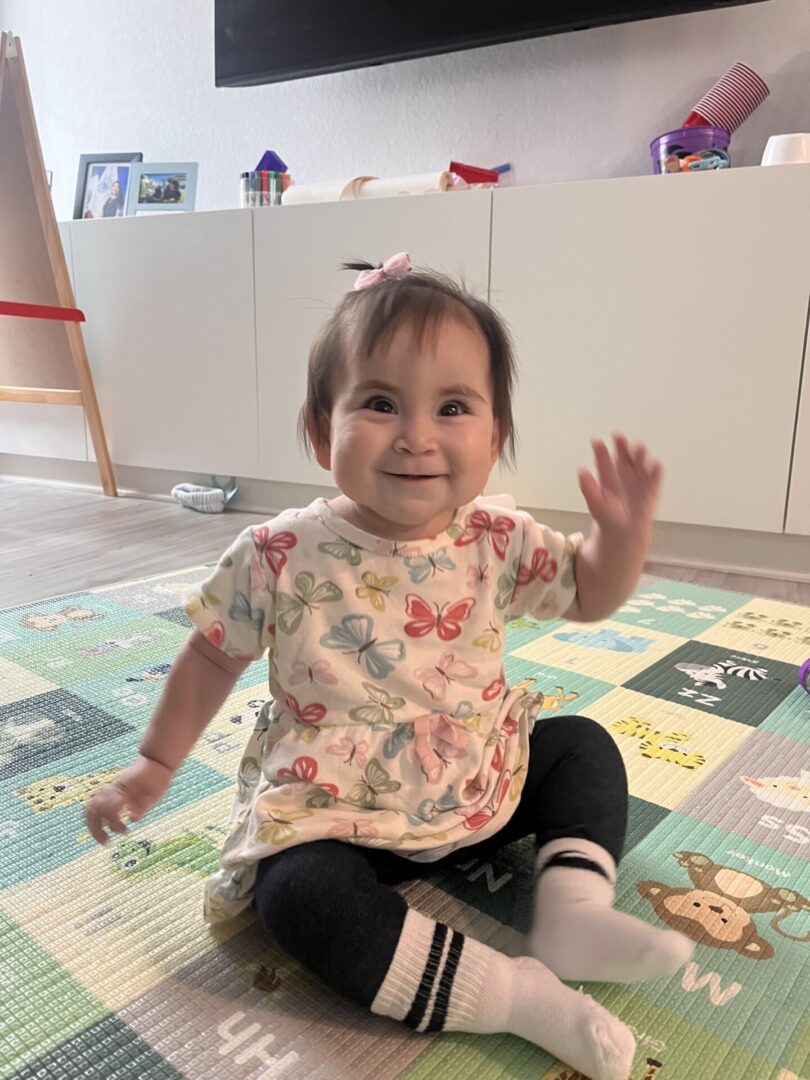
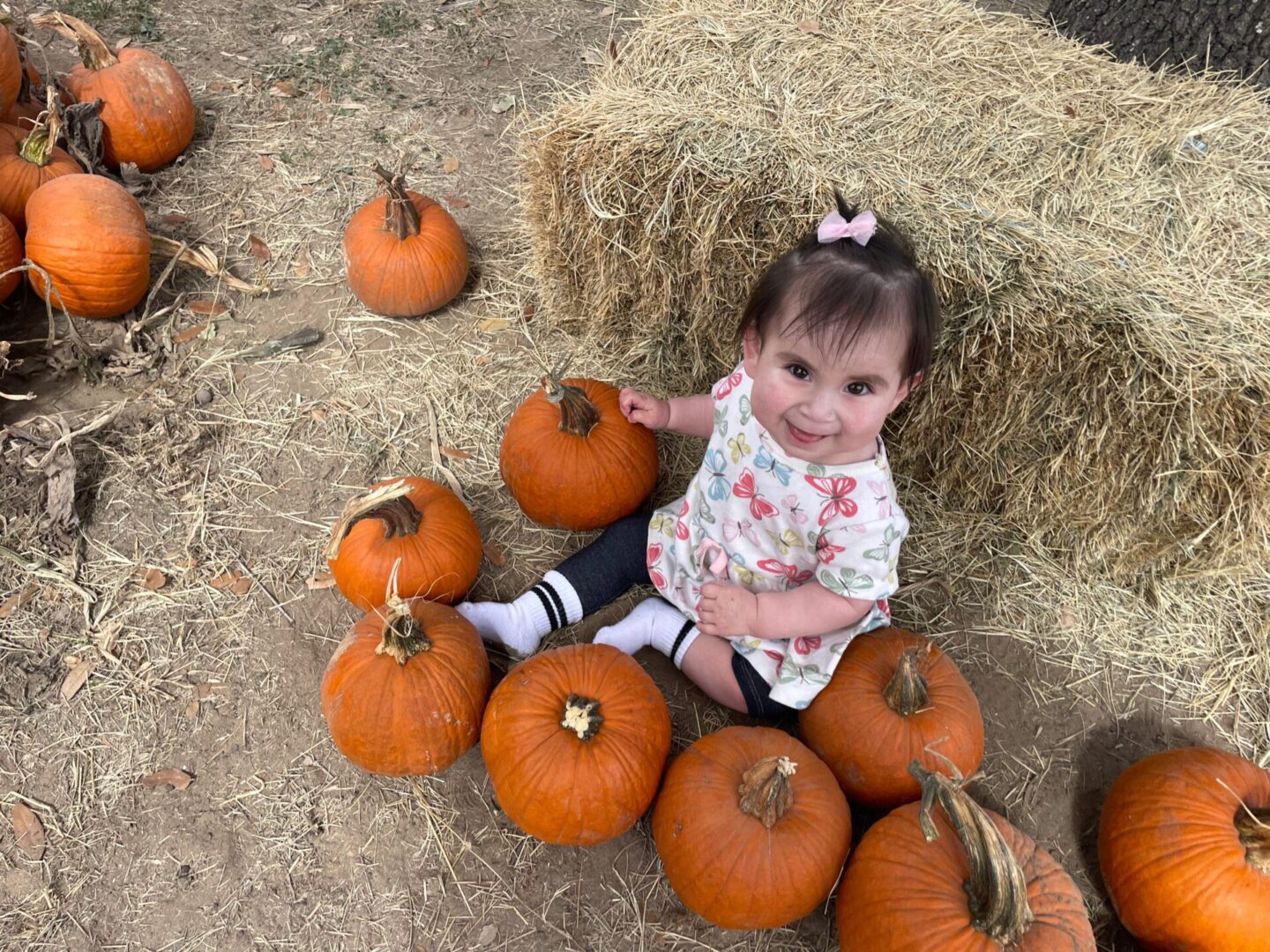
Today, Andrea is a one-year-old full of joy and light. She loves life, her sister, and her family and her smile is the biggest proof that anything is possible. With love, medical care, and faith, she continues to grow and surprise us in every way.
We know the future is uncertain, and that Andrea has her own rhythm to learn and develop but every little milestone is a victory. Every smile, every attempt to communicate, every small step reminds us that miracles do exist.
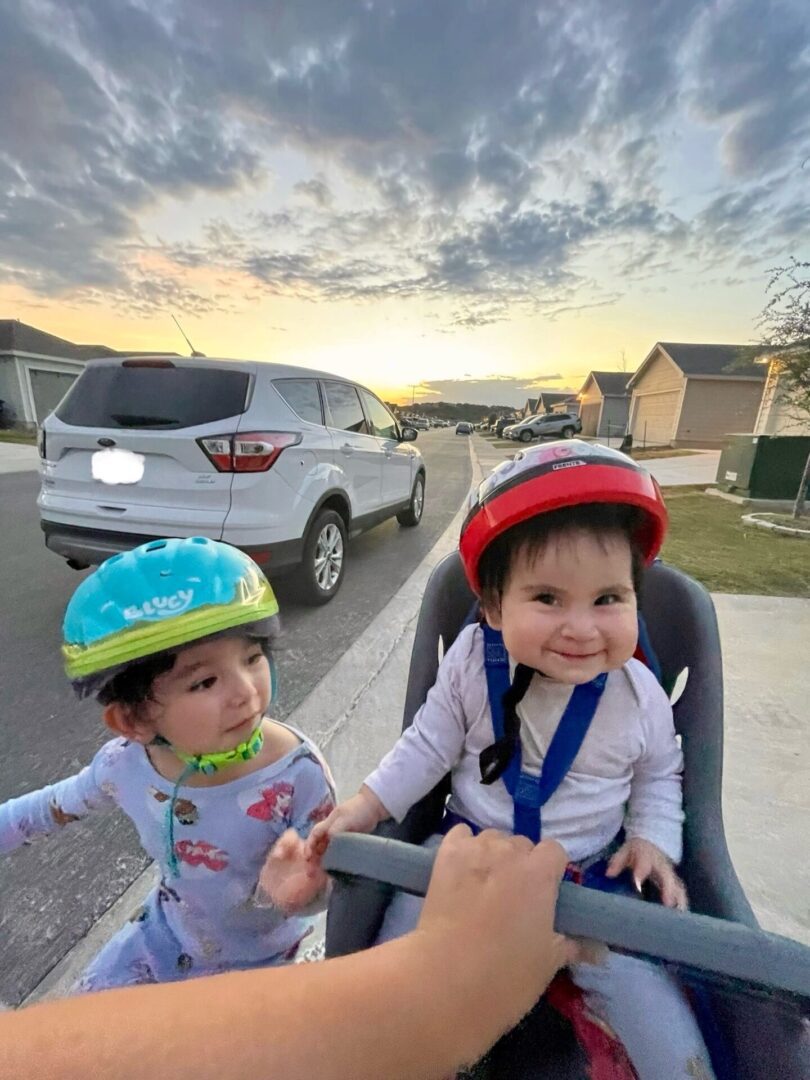
Today, Andrea has an amazing team of doctors and therapists who follow her closely. She regularly sees her geneticist, hematologist, gastroenterologist, neurologist and ophthalmologist, usually every three months. Every year she needs to see her cardiologist and retina specialist. She also receives occupational therapy, physical therapy, speech and feeding therapy, vision services, and orientation & mobility lessons, all through ECI (Early Childhood Intervention) and our local school district.
Andrea is also part of a clinical trial at the NIH, where we’ve felt an incredible amount of support from the doctors and researchers dedicated to studying Cobalamin C. Through them, we’ve learned so much about the condition and how to care for her better. We’re deeply grateful for their kindness, their dedication, and their ongoing efforts to help children like Andrea.
We’re also so thankful for Andrea’s entire care team - the doctors, nurses, therapists, and teachers who help her thrive. Because of their guidance and care, Andrea keeps improving every day.
She has shown us more strength and resilience than we ever imagined possible. She’s taught us patience, courage, and how to be her strongest advocates. This journey has been incredibly hard, but it has changed our lives in ways we never imagined. Andrea is our motivation, our teacher, and the reason we never give up.
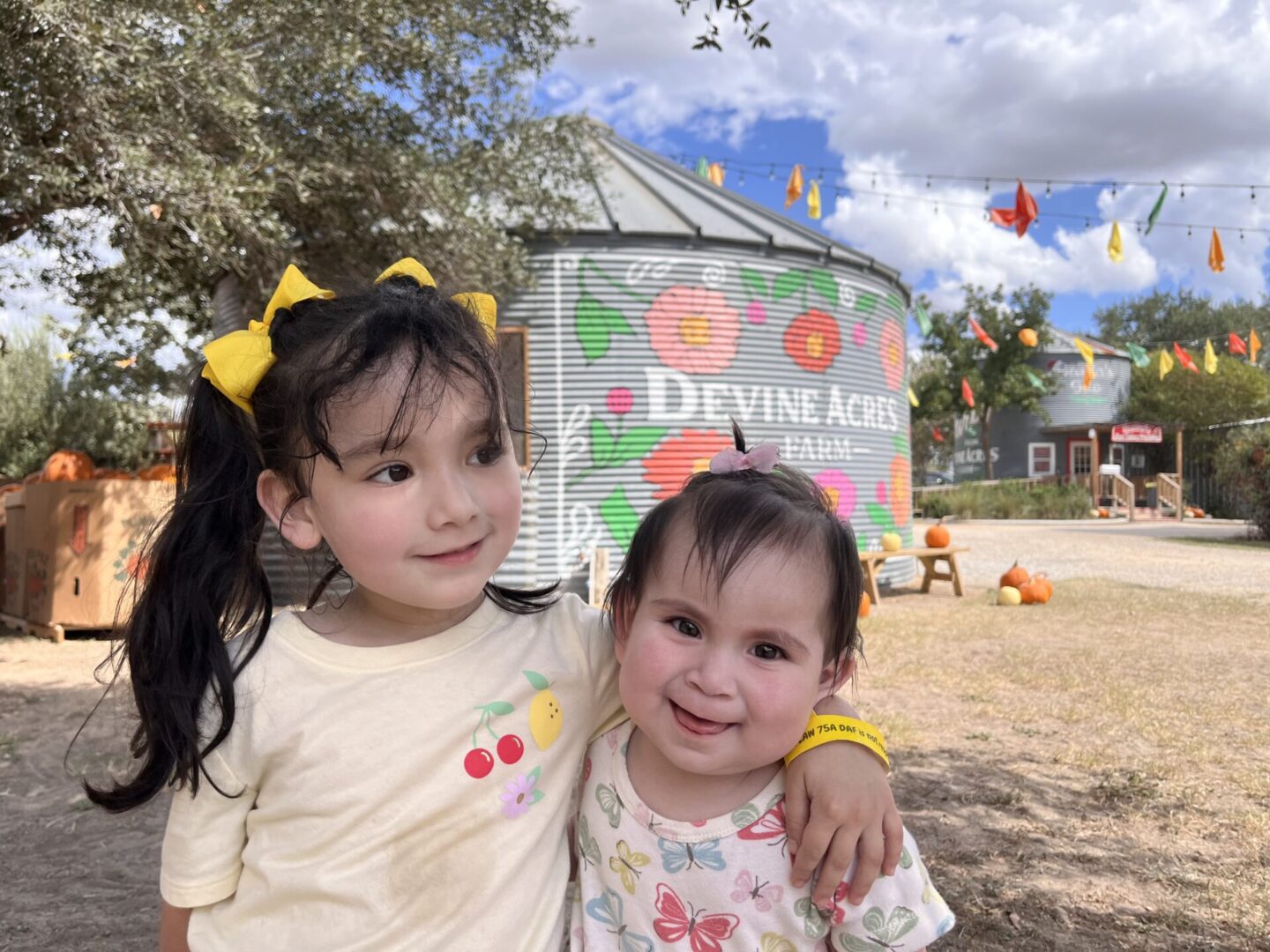
Today, Andrea is a one-year-old full of joy and light. She loves life, her sister, and her family and her smile is the biggest proof that anything is possible. With love, medical care, and faith, she continues to grow and surprise us in every way.
We know the future is uncertain, and that Andrea has her own rhythm to learn and develop but every little milestone is a victory. Every smile, every attempt to communicate, every small step reminds us that miracles do exist.
Andrea shows us that with love, determination, and hope, anything is possible.
Today, one year after Andy’s diagnosis, we feel truly happy, life has turned colorful again.
Seeing her happy, enjoying every moment, smiling, and doing things we once thought impossible fills our hearts.
If I could speak to the version of myself who was in the NICU, praying and crying for her little baby, I would simply say: trust that everything will get better. One day, you’ll wake up, and the storm will have passed. One day, almost without realizing it, life will feel lighter again, you’ll smile, you’ll breathe deeply, and joy will quietly find its way back. Through Andrea, as we watched her grow stronger, we rediscovered happiness.
We know the road is not done and more challenges are to come, but we will continue fighting for the better days.